
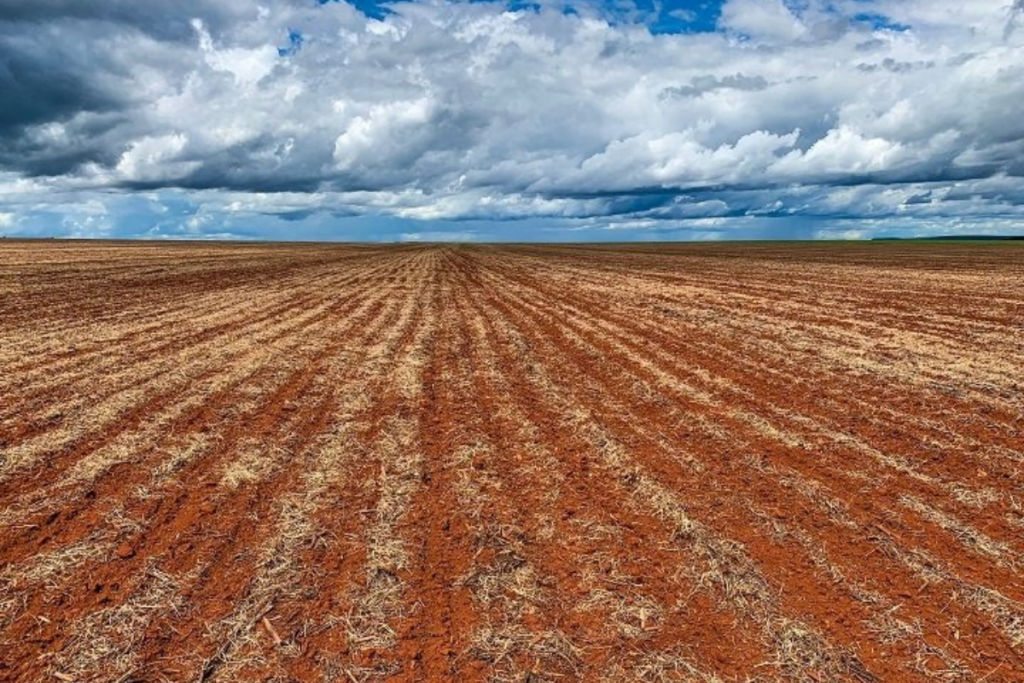
Farming has always required adapting to the conditions Mother Nature provides. From unpredictable rainfall and extended droughts to changing temperatures and narrow planting windows, farmers understand how much weather can influence an operation. As conversations about climate change and agricultural sustainability continue, more attention is being given to how everyday farming practices affect soil health, fuel consumption, and greenhouse gas emissions.
One practice receiving significant attention is no till farming.
Traditional tillage has been used for generations to prepare fields for planting, manage weeds, and incorporate crop residue. While those methods can serve important purposes, repeatedly disturbing the soil can also increase erosion risks, affect soil structure, and require additional passes with fuel-powered equipment.
No till farming takes a different approach. Instead of mechanically working the entire field before planting, farmers use a no till planter to place seeds directly into relatively undisturbed soil while leaving much of the previous crop’s residue on the surface.
This approach can provide environmental and operational advantages, particularly when combined with practices such as crop rotation, responsible nutrient management, and cover crops.
Understanding those benefits, along with the limitations, can help farmers make informed decisions about their equipment and long-term soil management.
What Is No Till Farming?
No till farming is an agricultural production method that minimizes mechanical soil disturbance during planting. Rather than plowing, disking, or cultivating the entire field to prepare a seedbed, farmers plant directly into the existing soil using equipment designed to work through crop residue.
A no till planter opens a narrow seed trench, places the seed at the intended depth, and closes the trench to establish seed-to-soil contact.
The surrounding soil remains largely undisturbed.
This differs from conventional tillage, where farmers may make several passes across the field before planting. Those operations can loosen soil, incorporate residue, and create a relatively uniform seedbed, but they also require additional equipment use and can leave the soil more exposed to wind and water.
In a no-till system, crop residue plays an important role. Stalks, stems, and other material from previous crops remain on the surface, helping protect the soil from rainfall impact, wind, and excessive evaporation.
Over time, reducing disturbance and retaining residue can contribute to better soil structure and improved soil protection.
However, the success of the system depends on more than simply eliminating tillage. Soil conditions, crop rotation, weed management, fertility, drainage, and planter performance all influence the results.
How Agriculture Contributes to Greenhouse Gas Emissions
Agriculture is connected to several greenhouse gases, including carbon dioxide, methane, and nitrous oxide.
These gases come from different sources, and understanding those differences is important when evaluating the environmental impact of farming practices.
Carbon dioxide is associated with activities such as burning diesel fuel and changes in soil carbon storage. Methane emissions are particularly relevant to livestock digestion, manure management, and certain flooded agricultural systems. Nitrous oxide emissions are closely connected to nitrogen cycling in soils, including processes influenced by fertilizer application, soil moisture, and microbial activity.
Tillage can influence soil carbon dynamics by breaking apart soil aggregates, changing aeration, and exposing organic matter to decomposition. However, the relationship between tillage and greenhouse gas emissions is complex.
Not every emission source responds to no-till management in the same way.
For example, eliminating tillage passes can reduce fuel consumption, but nitrous oxide emissions may increase, decrease, or remain similar depending on soil conditions and nitrogen management.
This is why researchers evaluate no till farming as part of a complete agricultural system rather than assuming one practice will solve every environmental challenge.
How No Till Farming Can Reduce Greenhouse Gas Emissions
Fewer Field Passes Can Mean Less Fuel Consumption
One of the clearest potential benefits of no till farming is reducing the number of field operations needed before planting.
Conventional crop production may require plowing, disking, cultivating, and additional seedbed preparation. Each pass consumes diesel fuel, requires labor, and adds wear to agricultural equipment.
By eliminating some or all of those tillage operations, farmers can reduce the amount of fuel burned during field preparation.
That can lower associated carbon dioxide emissions while also reducing operating expenses.
The exact savings depend on the original tillage system, field conditions, machinery, and management practices. A farm transitioning from intensive tillage may experience a larger reduction in fieldwork than an operation already using minimal tillage.
For many producers, this is an attractive combination: fewer unnecessary passes, less fuel consumption, and more time available during critical planting windows.
Reduced Soil Disturbance Can Help Preserve Soil Carbon
Soil contains a substantial amount of organic carbon, much of it associated with decomposed plant material, roots, and soil organisms.
When soil is repeatedly disturbed, its physical structure changes. Tillage can expose previously protected organic matter to conditions that accelerate decomposition.
No till farming limits that disturbance.
Keeping soil aggregates more intact and maintaining residue at the surface can help protect existing soil organic matter and support carbon retention in certain conditions.
However, increased carbon near the soil surface does not necessarily mean the entire soil profile has gained carbon. Scientists often evaluate soil carbon at multiple depths and over long periods to determine whether a system produces a meaningful net increase.
For farmers, the practical takeaway is that protecting soil organic matter remains valuable even when the precise carbon-storage benefit varies.
Healthy soil supports water movement, nutrient cycling, biological activity, and the long-term productivity of agricultural land.
No Till Farming Works Best as Part of a Larger Conservation Strategy
Reducing tillage is one piece of a broader approach to soil management.
Farmers may combine no-till practices with crop rotation, cover crops, residue management, and careful fertilizer application to support soil health.
These practices work together in different ways.
Crop rotations can diversify root systems and residue characteristics. Cover crops can provide living roots between cash crops and help protect soil during otherwise exposed periods. Responsible nutrient management helps align fertilizer applications with crop requirements and may reduce avoidable nitrogen losses.
When these practices are adapted to local conditions, they can contribute to a more resilient farming system.
The objective is not simply to reduce greenhouse gas emissions in one season. It is to manage the soil in a way that supports production while protecting the resources farmers depend on year after year.
Why Soil Health Matters for Long-Term Productivity
Soil is more than a place to put seed.
It is a living system that influences water availability, nutrient movement, root development, and crop establishment.
Repeated tillage can disrupt soil aggregates and leave the surface more vulnerable to erosion. Depending on conditions, it may also contribute to the loss of organic matter over time.
No till farming allows farmers to reduce that disruption.
When combined with appropriate residue management and crop rotations, reduced disturbance can support soil structure and biological activity. Those changes may improve how water enters and moves through the soil.
This is particularly important in regions where rainfall is unpredictable and maintaining soil moisture can influence crop performance.
Building soil health is a long-term process, though. Results may take several growing seasons to become noticeable, and some fields require adjustments during the transition.
Rather than expecting immediate improvements in every situation, farmers should evaluate changes in soil condition, crop establishment, water management, and overall performance over time.
Protecting Topsoil From Wind and Water Erosion
One of the most practical advantages of no till farming is its potential to reduce soil erosion.
When fields are repeatedly tilled, the soil surface may become loose and exposed. Without protective vegetation or residue, rainfall can dislodge soil particles and carry them away through runoff.
Wind can also move exposed soil, particularly in dry agricultural regions.
Leaving crop residue on the surface helps create a protective barrier.
Residue can absorb some of the impact from raindrops, slow water movement, and reduce wind exposure near the soil surface. Maintaining soil structure can also support water infiltration under suitable conditions.
These benefits matter because topsoil is a valuable agricultural resource.
It contains organic matter, nutrients, and biological activity that contribute to crop production. Once significant amounts are lost through erosion, rebuilding productive topsoil can take considerable time.
For farmers in Oklahoma and other areas where wind, drought, and intense rainfall can create challenging conditions, soil protection is an important consideration when choosing cultivation practices.
How No Till Farming Supports Moisture Conservation
Water availability is one of the biggest factors influencing crop production.
No till farming can help farmers manage soil moisture by leaving crop residue on the surface and reducing unnecessary disturbance.
Residue shades portions of the soil and can reduce direct evaporation. Improved soil structure may also help water infiltrate the ground instead of moving across the surface as runoff.
During periods of limited rainfall, conserving available moisture can be particularly valuable.
However, no-till fields can also present challenges. Heavy residue may slow soil warming in the spring, and poorly drained soils can remain wet longer than expected.
That means moisture management needs to be considered alongside planting conditions, soil type, and crop requirements.
A successful no-till system balances the benefits of residue retention with the need to establish crops in suitable soil conditions.
The Role of a No Till Planter in Successful Crop Establishment
Switching to no till farming changes the way farmers prepare fields, but it doesn’t change the importance of placing seeds accurately.
In fact, planter performance becomes especially important when working with undisturbed soil and heavy crop residue.
A no till planter must open the seed trench, maintain appropriate planting depth, place the seed, and close the trench without requiring the entire field to be tilled beforehand.
That places additional demands on individual planter components.
Gauge wheels, opening disks, and closing wheels all contribute to the planting process. If one component isn’t performing consistently, the quality of seed placement and trench closure may suffer.
For farmers looking to make no-till systems more dependable, maintaining and upgrading these components can be an important part of equipment preparation.
Planter Gauge Wheels Help Maintain Consistent Depth
Gauge wheels help control planting depth as the row unit travels across the field.
In no-till conditions, those wheels encounter sharp crop stubble, residue, rocks, and uneven ground. They need to withstand those conditions while allowing the planter to follow the soil surface.
The 4AG planter gauge wheels are designed for demanding no-till applications. Available in 3-inch and 4.5-inch sizes, they feature a durable proprietary composition, UV protection, and a design intended to eliminate lip wear.
They’re also backed by a three-year manufacturer’s warranty.
Consistent planting depth helps give seeds more uniform growing conditions, supporting the overall objective of establishing a healthy crop without unnecessary soil disturbance.
Closing Wheels Help Establish Seed-to-Soil Contact
After the seed is placed, the trench must be closed properly.
This step is especially important in no till farming because undisturbed soil can be firmer than a conventionally prepared seedbed.
Poor trench closure may leave air pockets or interfere with consistent seed-to-soil contact, which can affect germination conditions.
The 4AG planter closing wheels feature 24 tillers per wheel and are designed to help close the seed trench while working the upper layer of soil around the planting row.
Their solid tire construction includes UV protection, and the design is compatible with old and new style no-till planters.
By concentrating soil disturbance around the seed trench, a properly configured no till planter can help establish crops while leaving most of the surrounding soil and residue intact.
This supports the broader purpose of no-till systems: disturbing only the soil necessary for successful planting.
Does No Till Farming Improve Crop Yields?
One of the most common questions farmers ask when evaluating no-till practices is whether changing their cultivation method will improve yields.
The answer depends on the operation.
No till farming does not automatically produce higher yields, particularly during the first few years of transitioning from conventional tillage.
Crop performance can vary based on soil type, rainfall, drainage, crop rotation, residue management, weed pressure, and planter setup.
Some farmers may experience reduced yields during the transition as they adjust their management practices. Others may maintain comparable yields while reducing field operations and fuel expenses.
Over time, improved soil protection, moisture conservation, and soil structure may contribute to more stable productivity under certain conditions.
For many producers, the long-term value of no-till farming comes from combining productive crop establishment with improved soil conservation and reduced operating costs.
The goal is to build a system that remains productive through changing weather and field conditions.
Is No Till Farming More Cost-Effective?
Reducing tillage can create opportunities to lower operating expenses, but the financial benefits depend on how the system is managed.
Farmers who eliminate multiple tillage passes may reduce fuel consumption, labor requirements, machinery hours, and associated equipment wear.
Those savings can become particularly valuable during busy planting seasons when time and favorable field conditions are limited.
However, transitioning to no till farming may require additional investments.
Some operations need planter modifications, different residue-management strategies, or adjustments to weed control and fertility programs.
When evaluating costs, farmers should consider:
Fuel and labor savings from fewer field passes.
Equipment maintenance, upgrades, and replacement parts.
Changes in weed, residue, and nutrient management expenses.
Crop establishment, yield performance, and long-term soil conditions.
Looking at the entire operation provides a more useful picture than focusing on fuel savings alone.
The best approach is one that makes financial sense while supporting the long-term productivity of the farm.
Challenges Farmers Should Consider Before Switching to No-Till
Although no till farming offers meaningful conservation benefits, it requires careful management.
Fields with heavy residue may warm more slowly in the spring. Poor drainage can complicate planting decisions, and existing compaction problems may require additional attention.
Weed management also changes when mechanical cultivation is reduced or eliminated.
Farmers need to evaluate how their crop rotation, cover crops, herbicide programs, and other management practices work together to control unwanted vegetation.
Nitrogen management is another important consideration.
Soil moisture, temperature, fertilizer placement, and application timing can influence nitrogen availability and nitrous oxide emissions. No-till management alone does not guarantee lower emissions from soil nitrogen processes.
These challenges do not mean no-till practices are unsuitable. They demonstrate why successful adoption requires planning and adjustments based on individual field conditions.
Farmers considering the transition may benefit from starting with selected fields, monitoring performance, and working with local agricultural advisers to refine their approach.
No Till Farming and the Future of Sustainable Agriculture
Agriculture faces the ongoing challenge of producing food and other essential crops while protecting the resources needed for future production.
No till farming offers one way to address that challenge.
Reducing unnecessary soil disturbance can help protect topsoil, conserve moisture, and lower fuel consumption. Combined with appropriate conservation practices, it can also support healthier soil and improve the resilience of agricultural operations.
Its effects on greenhouse gas emissions are more complicated than simply counting fewer tillage passes. Fuel savings are one benefit, but soil carbon changes and nitrous oxide emissions need to be considered when evaluating the overall climate impact.
For farmers, the most useful approach is to focus on practices that work together.
Healthy soil, dependable equipment, thoughtful crop management, and efficient field operations all contribute to long-term success.
No-till farming is not a universal solution, but it can be an important part of building a more sustainable and productive agricultural system.
Build a Better No-Till System With 4AG Manufacturing
Successful no till farming depends on more than deciding to leave the plow in the shed.
Farmers need reliable equipment that can handle crop residue, maintain planting depth, and establish good seed-to-soil contact in demanding conditions.
At 4AG Manufacturing, we understand those challenges because our products were developed from firsthand farming experience in Oklahoma.
Our planter gauge wheels and closing wheels are designed to provide practical solutions for farmers working with no-till equipment. We focus on durability, straightforward installation, and components built to handle real field conditions.
Whether you’re transitioning to no-till practices or looking to improve an existing planter, dependable equipment can help you get the most from your planting system.
Explore our planter closing wheels, browse our complete lineup of farming tools, or find a 4AG dealer near you.
Protecting your soil starts with making thoughtful decisions about how you manage your fields—and having equipment you can count on when it’s time to plant.