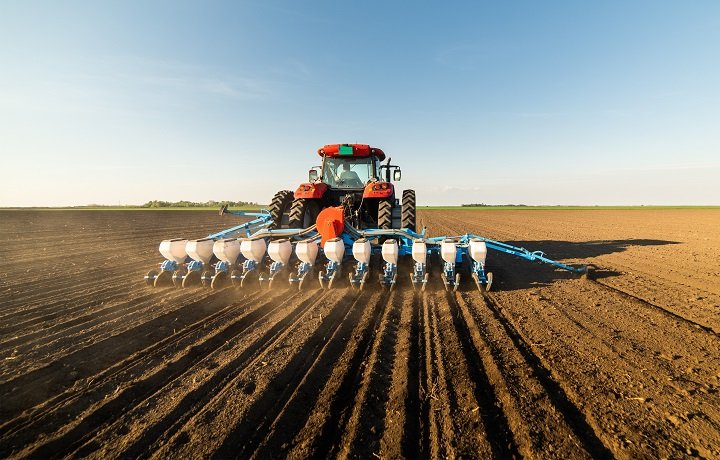
Tillage farming has been part of agriculture for generations. While equipment and technology have evolved over time, the goal remains the same: create healthy soil conditions that support strong crop growth and long-term productivity. Whether operating a large-scale row crop operation or managing smaller acreage, farmers continue to rely on effective soil preparation to maximize yields and improve planting conditions.
One of the most important components in modern tillage systems is the cultivator gauge wheel. While often overlooked compared to larger implements and tractors, cultivator gauge wheels play a major role in maintaining consistent depth, improving field performance, and helping tillage equipment operate efficiently in varying soil conditions.
At 4AG Manufacturing, we understand that dependable equipment matters because farming conditions are rarely perfect. Residue, moisture, uneven terrain, and soil variability all affect field performance. That is why properly designed cultivator gauge wheels remain essential for successful tillage farming and long-term soil cultivation.
What Is Tillage Farming?
Tillage farming refers to the mechanical preparation of soil before planting crops. This process helps create an environment where seeds can establish strong root systems and access moisture, nutrients, and oxygen more effectively. Tillage also helps manage crop residue, reduce weed pressure, and improve seedbed conditions before planting begins.
Historically, farmers performed tillage manually using hand tools such as hoes, shovels, and hand cultivators. Today, modern agriculture relies heavily on advanced equipment that allows producers to prepare large acreages more efficiently and consistently. Despite these advancements, the core purpose of tillage remains centered around preparing healthy, productive soil.
Modern farmers adjust tillage methods based on several factors:
- Soil type
- Residue levels
- Moisture conditions
- Crop rotation strategies
Different fields require different approaches, and successful tillage farming often depends on balancing productivity with long-term soil health. Overworking the soil can create compaction and erosion issues, while insufficient preparation may reduce planting consistency and emergence.
Why Cultivator Gauge Wheels Matter
Cultivator gauge wheels are designed to help tillage equipment maintain proper operating depth across changing field conditions. These wheels stabilize cultivators and allow equipment to move more consistently through uneven terrain. Without properly functioning cultivator gauge wheels, tillage equipment may dig too aggressively in some areas and run too shallow in others.
That inconsistency affects more than appearance. Uneven tillage can create poor seedbeds, inconsistent moisture retention, and variable planting depth later in the season. Farmers depend on accurate depth control because crop performance begins long before seeds ever enter the ground.
Gauge wheels help reduce stress on tillage equipment while improving field consistency. In many operations, cultivator gauge wheels are constantly exposed to rocks, residue, rough terrain, and long operating hours. Durable construction matters because these components directly affect how smoothly equipment performs throughout the field.
Reliable cultivator gauge wheels also improve operator efficiency. Equipment that maintains consistent depth requires fewer adjustments and allows farmers to cover more acres with less frustration. Over the course of a season, those small improvements add up significantly.
Understanding Different Tillage Methods
Modern agriculture uses several tillage methods depending on field conditions, operational goals, and conservation priorities. Each approach offers advantages depending on how farmers manage their land and crops.
Reduced tillage uses implements such as field cultivators and chisel plows while leaving a portion of crop residue on the surface. This method helps reduce erosion while still allowing soil preparation before planting. Reduced tillage systems often strike a balance between productivity and conservation by minimizing excessive soil disturbance.
Intensive tillage involves multiple soil preparation passes using disks, moldboards, harrows, and finishers. Historically considered traditional tillage, this approach creates a highly worked seedbed but may leave less residue on the soil surface. While some operations continue using intensive tillage effectively, many farmers now seek ways to reduce unnecessary disturbance while maintaining strong seedbed preparation.
Conservation tillage focuses on reducing erosion and preserving soil structure by minimizing how much the soil is disturbed. Specialized equipment allows farmers to plant while leaving residue in place, helping improve moisture retention and reduce runoff. Many producers have adopted conservation systems because of their long-term soil health benefits.
No-till farming takes conservation practices even further by minimizing soil disturbance almost entirely. Instead of aggressively working the soil, seeds are planted directly into crop residue using specialized no-till equipment. No-till farming has gained popularity because it helps preserve soil biology, reduce erosion, and improve water infiltration over time.
Cultivator gauge wheels remain important across these systems because accurate depth control continues to affect field performance regardless of tillage intensity.
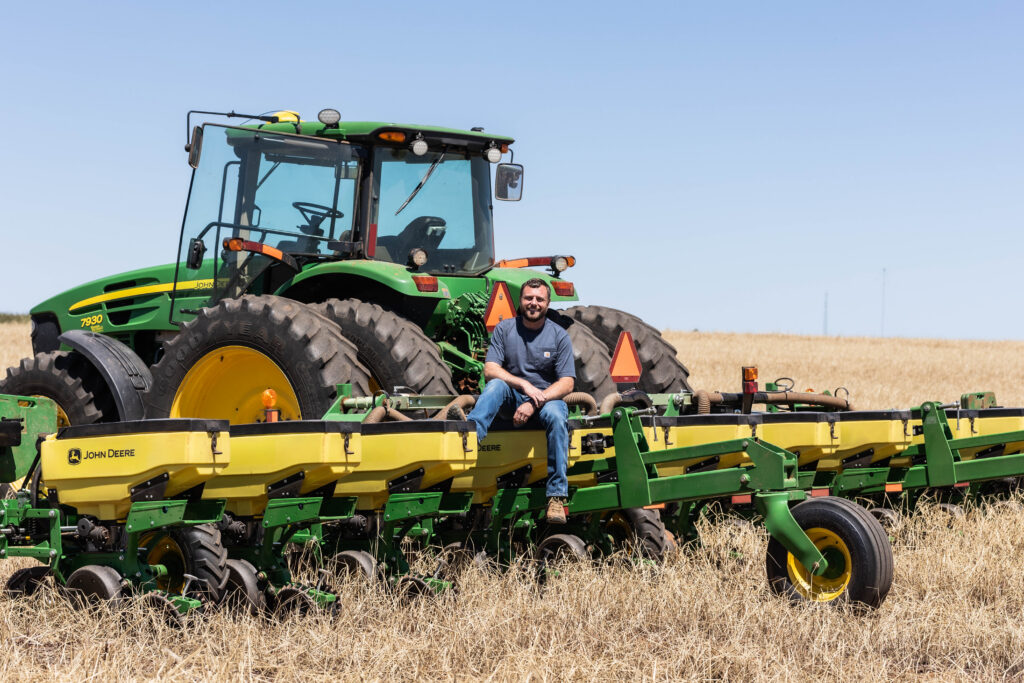
How Tillage Affects Soil and Crop Production
Soil preparation directly influences crop emergence, root development, moisture retention, and nutrient availability. Effective tillage farming creates conditions that support healthier crop growth while improving field consistency.
Proper soil cultivation can help:
- Improve water movement
- Reduce weed competition
- Support stronger root growth
- Create more consistent seedbeds
However, excessive tillage can also create problems if not managed carefully. Overworking the soil may increase erosion, damage soil structure, or reduce organic matter over time. That is why many farmers now focus on strategic tillage systems designed to improve productivity while protecting long-term soil health.
Accurate equipment performance plays a major role in this balance. Cultivator gauge wheels help operators maintain consistent soil engagement and avoid unnecessary disturbance. Maintaining proper tillage depth improves residue management and creates more uniform planting conditions across the field.
Small inconsistencies during tillage often create larger issues later in the season. Uneven seedbeds may lead to inconsistent emergence, moisture variability, and reduced crop performance. Reliable gauge wheels help minimize those problems before planting even begins.
Why Consistent Depth Control Matters
Fields are rarely perfectly uniform. Soil texture, residue density, moisture conditions, and terrain can all vary significantly across a single operation. Maintaining consistent tillage depth across those changing conditions is one of the biggest challenges farmers face during soil preparation.
Without proper depth control, implements may run too deep in some areas and too shallow in others. Deep tillage increases fuel usage and may damage soil structure, while shallow tillage may leave residue unmanaged or create uneven seedbeds.
Cultivator gauge wheels help stabilize equipment and support accurate operating depth throughout the field. This consistency improves seedbed quality, residue management, and overall field appearance. More importantly, it supports stronger crop emergence later in the season.
Depth consistency also affects moisture retention. Soil prepared evenly tends to hold moisture more consistently across the field, helping crops establish stronger root systems during early growth stages.
Soil Health and Long-Term Productivity
Modern agriculture increasingly focuses on protecting soil health alongside maximizing production. Healthy soil supports long-term productivity by improving nutrient cycling, microbial activity, and water infiltration.
Farmers who prioritize soil health often focus on:
- Reducing unnecessary tillage
- Preserving residue cover
- Minimizing erosion
- Supporting organic matter
Equipment designed for accurate field performance supports those goals directly. Cultivator gauge wheels help operators avoid excessive soil disturbance while maintaining effective tillage where needed.
Healthy soil also improves resilience during difficult weather conditions. Fields with stronger soil structure generally perform better during drought, heavy rainfall, and temperature fluctuations. Over time, protecting soil health helps improve both productivity and sustainability.
Choosing the Right Cultivator Gauge Wheels
Not all cultivator gauge wheels perform equally across different conditions. Selecting the right setup depends on factors such as soil type, terrain, residue levels, and operational goals.
Heavy clay soils may require different wheel materials and tread designs compared to sandy or lighter ground. Rough terrain may place additional stress on components, making durability even more important.
Farmers should look for cultivator gauge wheels that provide:
- Long-term durability
- Reliable depth control
- Resistance to wear
- Smooth field performance
Because gauge wheels experience constant contact with rough soil conditions, quality construction matters significantly. Durable products reduce downtime and help maintain field consistency throughout the season.
At 4AG Manufacturing, products are designed around real-world farming conditions. Equipment is tested for durability because dependable performance matters every single season.
Practical Equipment Still Matters
Agriculture continues evolving with new technologies and precision systems, but practical equipment still matters most. Farmers need tools that perform consistently, reduce downtime, and support efficiency under real field conditions.
Cultivator gauge wheels may seem like a small component compared to larger machinery, but they directly affect how tillage equipment performs every day. Accurate depth control, reliable stability, and durable construction all contribute to smoother operations and stronger field performance.
At 4AG Manufacturing, we focus on building practical agricultural solutions designed for long-term reliability. From cultivator gauge wheels to no-till equipment and planter components, every product is built with durability and real-world farming experience in mind.
If you are looking to improve your tillage farming operation and strengthen soil cultivation performance, explore the full lineup of 4AG Manufacturing products or contact our team today to learn more.
Less downtime. More done.
Built by farmers, for farmers.