

Running a no-till operation is all about working smarter, not harder. And when it comes to cover cropping, your interseeder plays a big role in keeping your soil healthy and your yields strong. Like any tool, it performs best with proper upkeep. In this post, we’ll walk through everything you need to know about inter seeder maintenance—from simple checks to seasonal prep—so your equipment stays in the field and out of the shop. And if you’re investing in long-term field health, good maintenance routines aren’t optional—they’re essential.
Why Inter seeder Maintenance Matters
Your inter seeder is more than just an attachment—it’s a core part of your soil health strategy. When it’s running clean, calibrated, and properly maintained, you get better seed placement, more consistent emergence, and less downtime. Neglecting maintenance, on the other hand, can lead to uneven seeding, clogged rows, or even costly repairs.
Routine inter seeder maintenance extends the life of your equipment, protects your investment, and helps you get the most from every pass in the field. It also contributes to more uniform cover crop establishment, which supports erosion control, weed suppression, and soil structure—all vital to no-till success.
Daily Maintenance Checklist
When you’re in-season, quick daily checks can prevent bigger problems down the road. Here are a few simple steps to add to your daily routine:
- Check for debris: Clean off any soil, residue, or plant matter that could block seed tubes or bearings.
- Inspect seed tubes and openers: Make sure they’re clear and not worn or cracked.
- Grease moving parts: Keep bearings and other friction points lubricated.
- Look for loose bolts or connections: Tighten anything that could rattle loose in the field.
- Monitor seed levels and metering: Ensure seed flows properly and is being delivered evenly.
This daily inter seeder maintenance only takes a few minutes but can save hours—or days—of downtime if overlooked.
Weekly or Mid-Season Maintenance Tasks
For those longer runs or mid-season checks, go a little deeper:
- Inspect the hydraulic drive system (if equipped): Look for leaks, cracked hoses, or unusual noises.
- Check rate control connections: Ensure systems like Deere or Salford rate controllers are operating correctly.
- Verify calibration: Make adjustments based on field conditions, seed type, or weather changes.
- Clean seed boxes thoroughly: Prevent buildup or moisture that could lead to rust or seed clumping.
- Examine coulters and discs: Make sure they’re sharp and not excessively worn.
Mid-season inter seeder maintenance is your chance to catch early wear and keep things performing at a high level. Adjustments now can improve stand establishment and reduce the risk of skips.

Seasonal and Off-Season Interseeder Maintenance
When the planting season ends, don’t just park your interseeder and forget it. A little off-season prep will pay off when it’s time to hit the field again:
- Deep clean all components: Remove seed dust, dirt, and grime from every surface.
- Drain any remaining seed or moisture: Leftover seed can attract pests or absorb moisture.
- Inspect frame and welds for fatigue: Catch cracks or rust early.
- Store in a dry, covered area: Protects against UV damage, corrosion, and premature wear.
- Update firmware if applicable: Digital rate control systems may benefit from software updates.
- Check tires and hoses for aging: Cold storage can dry out rubber, so inspect and replace as needed.
Comprehensive seasonal interseeder maintenance protects your investment and sets the stage for strong starts next spring.
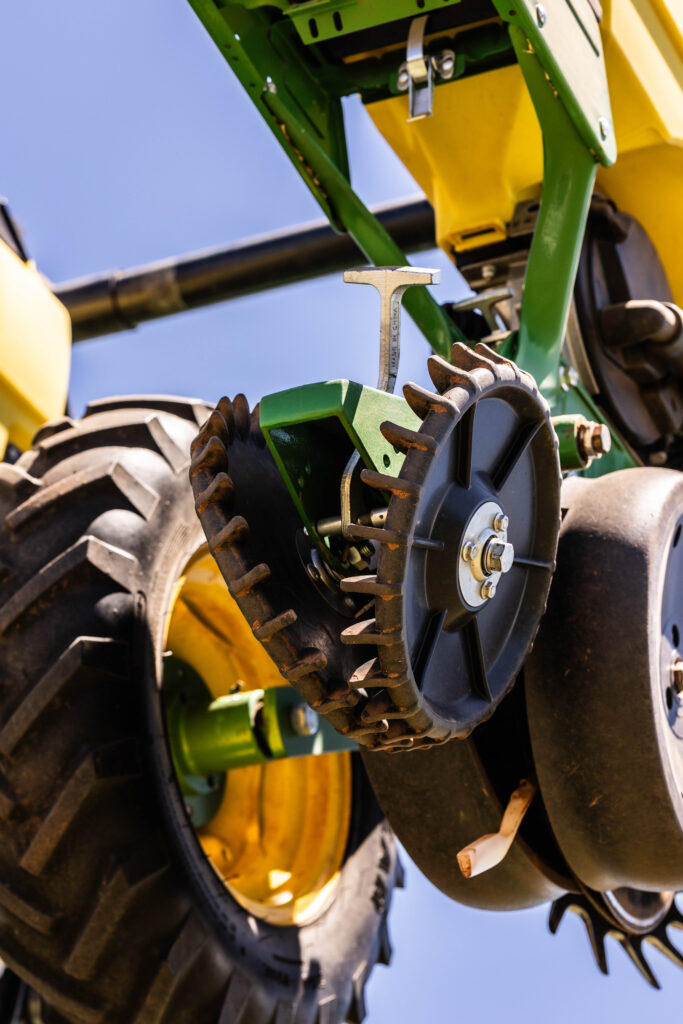
Common Interseeder Issues and How to Prevent Them
No piece of equipment is bulletproof. But smart interseeder maintenance can prevent many common problems:
- Inconsistent seed depth? Check opener wear and calibration.
- Clogged seed tubes? Clean daily and use high-quality seed.
- Hydraulic issues? Inspect connections and maintain proper fluid levels.
- Skipping rows? Check drive mechanisms and metering consistency.
- Unresponsive rate control? Test software and wiring connections.
If you’re using a 4AG Interseeder, you’re already ahead of the game with a hydraulic drive system, 40 or 60-bushel options, and compatibility with Deere or Salford controls. Built-to-order in 4–5 weeks, 4AG’s design makes interseeder maintenance easier thanks to quality parts and thoughtful engineering. Every component is built for ease of service, whether you’re in a barn or out on a job site.
Best Practices for Long-Term Equipment Health
Whether you’re running 500 acres or 5,000, keeping your interseeder field-ready requires more than occasional grease:
- Stick to a schedule: Set reminders for seasonal maintenance.
- Keep a logbook: Track repairs, part replacements, and settings.
- Use OEM parts when possible: Ensures proper fit and durability.
- Train your crew: Make sure everyone knows how to perform daily checks.
- Partner with your dealer: They can help with troubleshooting, upgrades, or replacement parts.
- Document issues and fixes: Build your own interseeder maintenance history to guide future repairs.
Treat your interseeder like the critical piece of equipment it is. Regular attention can extend its life by years and reduce long-term repair costs.
Interseeder maintenance doesn’t have to be complicated. In fact, the simpler your routine, the more likely it is to get done. The payoff? Longer equipment life, better planting results, and fewer surprises during crunch time.
If you’re investing in soil health, your interseeder is a critical part of the puzzle. Take care of it like you take care of your fields, and it’ll return the favor for seasons to come.
Got questions or looking to upgrade your setup? Visit the 4AG Interseeder Product Page or reach out to your local dealer for hands-on advice.
This article was generated with the assistance of artificial intelligence (AI). While reviewed for accuracy and clarity by 4Ag, it should be considered general information. We still recommend contacting the 4Ag team for personalized advice.