In modern farming equipment, few components carry as much weight in yield results as planter closing wheels. For those practicing no till planting, the choice and performance of your closing wheels can make or break your stand. These tools may seem like small parts, but they play a major role in seed-to-soil contact, moisture retention, and seed protection.
At 4AG, we engineer tools that solve real-world problems — and closing wheels are no exception. In this guide, we break down what closing wheels do, how they support no till planting, the key types, and how to choose the right fit for your operation.
Why Closing Wheels Matter in No Till Planting
No till systems are gaining traction for good reasons — reduced erosion, preserved moisture, and better soil structure. But without tillage, getting a good seedbed becomes more complicated. That’s where closing wheels step up. They’re the last contact point in your planter system, pressing soil back over the seed and sealing the trench.
The goal? Secure that seed with consistent pressure so it stays in place, gets moisture, and starts strong. Without effective furrow closure, you risk air pockets, crusted soil, uneven emergence, or washed-out rows.
That’s not just a planting issue — it’s a yield issue. Inconsistent stands lead to competition among plants, uneven maturity, and less efficient harvests. The good news: upgrading your closing system can solve much of that.
What Are Planter Closing Wheels?
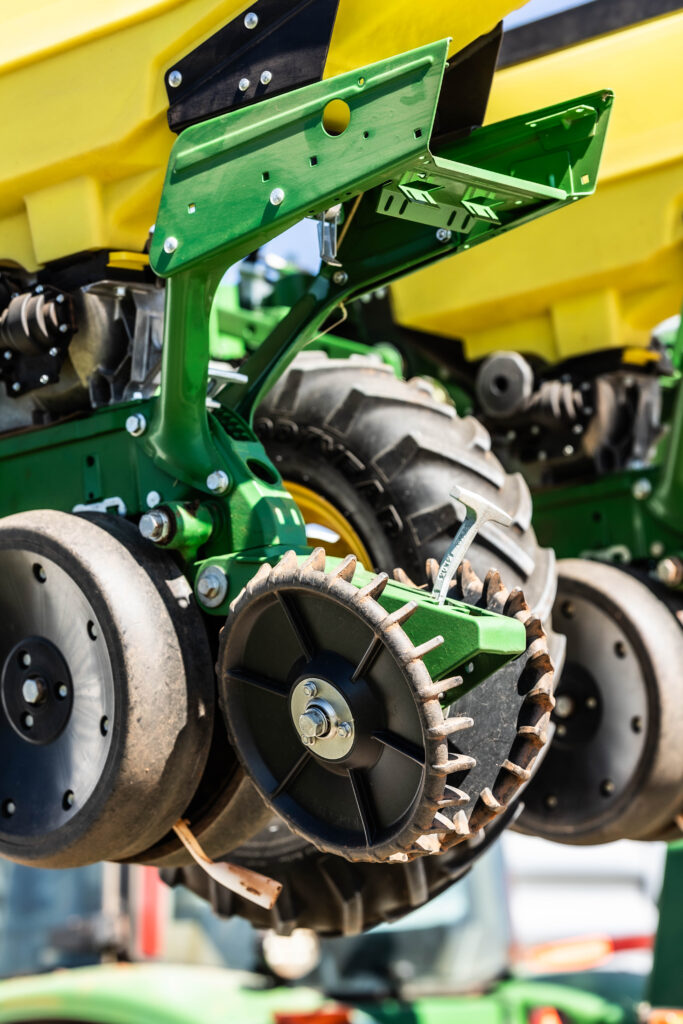
Planter closing wheels mount behind the seed tube and are tasked with sealing the furrow. This sounds simple, but in practice, it’s a tough job — especially in no till planting where surface residue, compaction, and soil variability all challenge closure.
Your planter may have shipped with factory-installed rubber wheels. These can work fine in tilled soil, but many farmers find they lack the pressure and aggressiveness needed for true no till environments. That’s where advanced options like cast, spike, or angled tiller wheels come in.
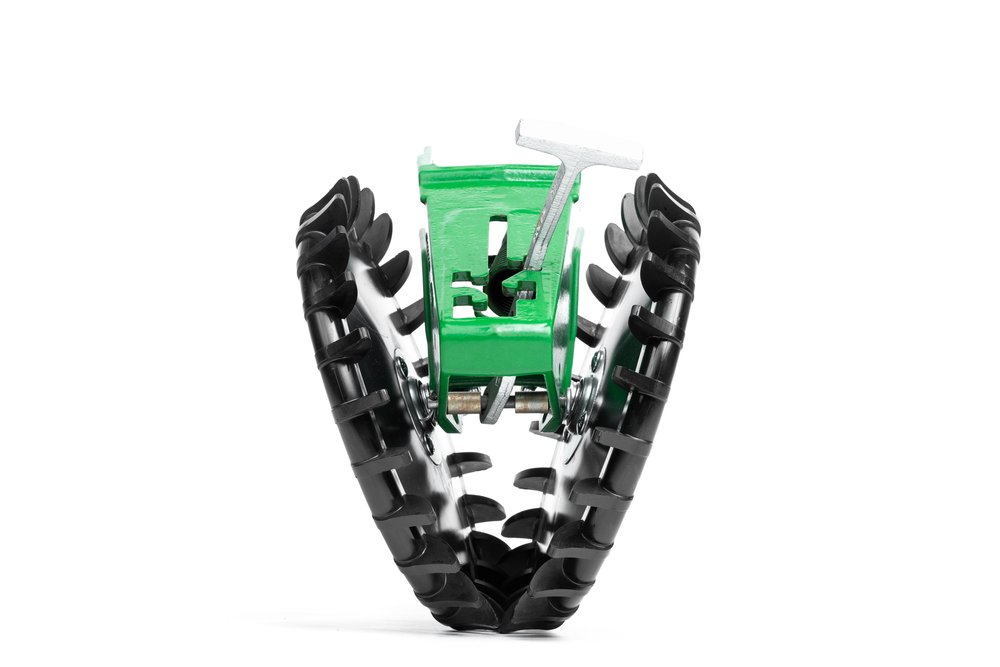
At 4AG, our closing wheels are designed with these conditions in mind. Featuring 24 angled tillers, a solid one-piece design, and over 10 pounds of row weight, they’re made for the real conditions you face every spring.
Types of Planter Closing Wheels
You’ve got options when it comes to wheels. Here’s a look at the four most common types and how they fit into no till systems:
- Rubber Closing Wheels: Good for conventional tillage and soft soils, but often underperform in no till.
- Spike Wheels: Penetrate crusted soils and break up compaction. Ideal for heavy residue or sticky ground.
- Cast Iron Wheels: Heavy, durable, and aggressive. Best for very dry or firm soils.
- Poly Wheels: Lightweight and shed moisture. Great in wet, sticky conditions where other wheels clog.
No matter the material, the real test is whether the wheel can consistently close the trench under your specific soil and moisture profile.
Real Challenges of No Till Planting
If you’ve ever planted in a damp field with last year’s corn stalks still standing, you already know: no till isn’t just “skip the tillage.”
Surface residue, compaction, variable moisture, and inconsistent ground firmness all increase the demand on your planter’s closing system. In these conditions, rubber wheels can bounce, leave furrows open, or pack the soil too tight on top.
This leads to:
- Poor emergence in dry spots
- Waterlogging in sealed-over furrows
- Air gaps preventing germination
- Sidewall compaction limiting root growth
Our solution? Build a closing wheel that adapts to field conditions and gives a clean, consistent close every time. That’s what our 24-tiller design does — and it’s why so many no till operators are switching to 4AG.
What Makes 4AG Closing Wheels Different
Not all wheels are built equal. Here’s why our customers keep choosing 4AG:
- Angled Tillers: Crumble instead of smear the sidewall
- Heavy Build: At 10.14 lbs/row, it holds ground contact in tough soils
- Universal Fit: Works with modern farming equipment across planter brands
- No Bounce, No Gimmicks: Just consistent performance
We also assemble our wheels here in the U.S. and back every order with responsive support. If it’s not helping your stand, we’ll help you find a better fit.
Choosing the Right Wheel for Your Farm
It’s not just about the wheel — it’s about matching it to your ground. Here are four key questions to guide your choice:
- What’s your soil type? Clay or compacted soils benefit from spike or cast wheels. Loam might run better with poly or angled tiller designs.
- What are your moisture conditions? Wet ground clogs wheels. Poly sheds better than rubber. Spike tills without smearing.
- What crops are you planting? Corn may need deeper closure. Soybeans need flexibility. Wheat needs consistent depth.
- How much residue do you have? High-residue systems need aggressive tillage at the furrow. That’s where angled tillers shine.
Still unsure? We’ll help you test or compare different wheel styles to make the best call.
Fewer Lists, More Results
Rather than just offering options, we focus on delivering results. We’ve seen fields planted with cheap factory wheels struggle with crusting, delayed emergence, and lost yield. And we’ve seen those same farms turn things around in one season with a better closing setup.
That’s the heart of our business: solving practical problems with gear that actually works. We don’t sell fluff or flash — just well-built tools that fit your conditions and your budget.
Maintenance Tips to Extend Wheel Life
Our closing wheels are built to last, but a little upkeep makes a big difference. Before each planting season, do a quick check:
- Look for bent tillers or buildup of mud and residue.
- Rinse off soil after long days to prevent rust or wear.
- Make sure all mounting hardware is tight and properly aligned.
With care, most growers get multiple seasons out of a set, even under heavy use. And if something does go wrong, our team is a phone call away.
How Planter Closing Wheels Improve Seed-to-Soil Contact
Let’s not overcomplicate it: good emergence depends on good contact. If your seed is floating in an air pocket or covered by crusted-over soil, it’s not going to germinate on time.
By breaking sidewalls and crumbling the soil back over the seed, high-performance closing wheels like ours create a firm seal — not a compressed lid. This means better moisture retention, faster emergence, and stronger root systems.
Even stands start here.
Used by Farmers Across the U.S.
From South Dakota wheat fields to Oklahoma no till corn, 4AG closing wheels are already in the dirt. And the feedback is clear:
- Less bounce
- Fewer replant issues
- Better starts
One customer told us they used to have to wait a week longer to see emergence in low ground. With 4AG wheels, their entire field came up together. That’s not magic — it’s better furrow management.
Connect With Local Dealers or Contact Us Direct
We work with a trusted network of dealers who understand your region and crops. Use our Dealer Locator to find support near you.
Want to talk through your setup first? Visit our Contact Page and we’ll help match a wheel to your planter and field.
Looking to dive deeper into the science of furrow closing? We recommend this article from Iowa State Extension on planter setup, which explains how closing systems directly impact germination, emergence, and final yield.
No till planting demands equipment that works as hard as you do. At 4AG, we’re proud to build closing wheels that simplify furrow management, reduce stress, and improve seedbed performance.
If your current system isn’t delivering even stands, strong starts, or good seed-to-soil contact — it’s time for an upgrade. Let us help.
👉 Shop Planter Closing Wheels
👉 Use the Dealer Locator to find local support