
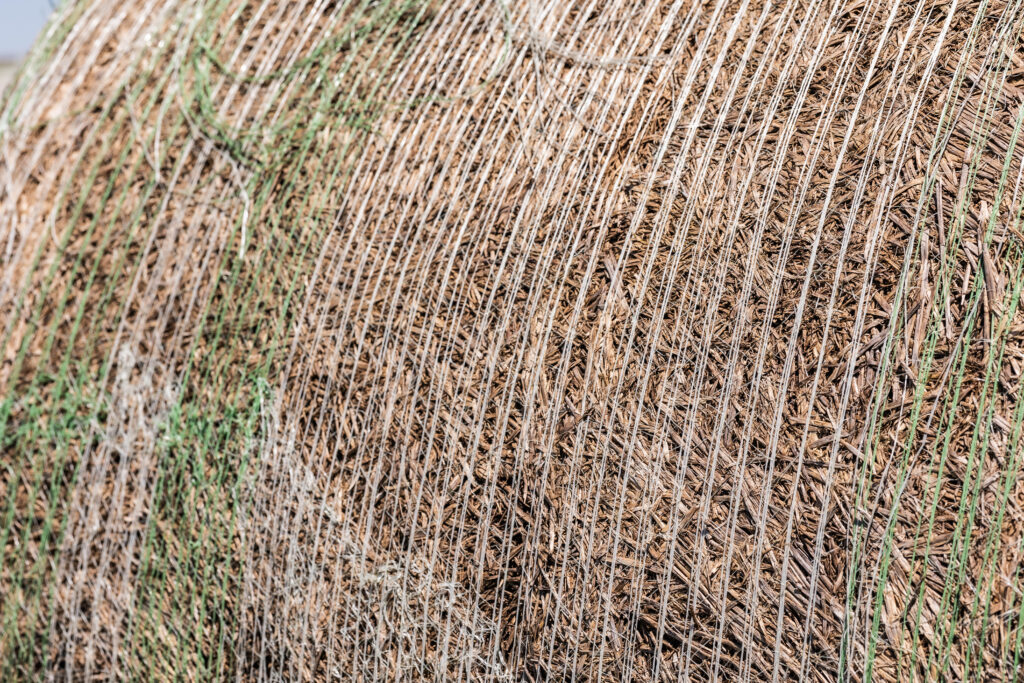
Hay feeding is part of everyday life for many ranchers. Whether feeding through winter, supplementing pasture conditions, or maintaining cattle year-round, hay becomes a constant part of the operation. And wherever there is hay, there is hay bale netting.
While net wrap helps preserve bale quality and reduce hay loss during storage and transport, it quickly becomes a frustration once feeding begins. What starts as a small inconvenience eventually turns into clutter, cleanup, wasted time, and equipment headaches. For ranchers running flatbeds, cube feeder systems, or cake feeder setups, managing hay bale netting becomes one more repetitive task added to an already full day.
At 4AG Manufacturing, products are designed around solving practical agricultural problems exactly like this. Because in ranching, small frustrations repeated daily eventually become major inefficiencies.
Hay Bale Netting Creates Daily Frustrations
One of the most common frustrations ranchers face is loose hay bale netting blowing across fields, highways, and feed yards. On windy days, net wrap can disappear quickly after being removed from a bale. Most ranchers have experienced cutting wrap off a bale, tossing it aside temporarily, and later watching it scatter across the pasture.
Once that happens, cleanup becomes far more difficult. Loose hay bale netting often ends up tangled in fence lines, scattered around feeding areas, wrapped around equipment, or blown onto neighboring property. What seems minor at first eventually creates hours of unnecessary cleanup over time.
For many ranchers, feeding cattle starts before sunrise and ends after dark. Daily feeding routines already involve hauling hay, checking water, maintaining fencing, monitoring herd health, and keeping equipment operational. The last thing anyone wants is another recurring problem slowing down the process. But hay bale netting has a way of creating exactly that kind of frustration.
The problem grows even larger during busy feeding seasons when weather conditions are rough. High winds can carry net wrap long distances across fields or roads. Wet conditions make loose wrap stick to truck beds and equipment. Mud and manure create additional cleanup challenges once the material becomes tangled or buried in feeding areas.
Feeding operations are already repetitive and physically demanding. Ranchers spend long days hauling hay, loading feed, monitoring livestock, and maintaining equipment. Small interruptions repeated daily eventually become noticeable frustrations that slow operations down.
Equipment Problems Caused by Net Wrap
Loose net wrap has a tendency to find moving equipment parts. Ranchers regularly deal with hay bale netting wrapped around axles, drivelines, feed trucks, and trailers. Operations using a cube feeder or cake feeder system especially understand how quickly loose material can create maintenance headaches.
Once net wrap becomes tightly tangled into machinery, removing it often requires stopping operations completely. That interruption costs valuable time and adds unnecessary frustration during already busy schedules.
Net wrap can create problems including:
- Equipment entanglement
- Slower feeding routines
- Additional cleanup time
- Increased maintenance frustrations
When feeding cattle daily, efficiency matters. Any delay that interrupts workflow becomes noticeable over the course of a long feeding season.
Beyond inconvenience, net wrap can also contribute to expensive repairs. Material wrapped around moving parts can increase wear on bearings, chains, and driveline systems. What starts as a small piece of plastic caught in machinery can eventually lead to overheating, additional strain, or damaged components if left unchecked.
Feed trucks, flatbeds, trailers, and feeding equipment are already exposed to rough terrain and long working hours. Adding unnecessary maintenance caused by loose hay bale netting only increases downtime. Ranchers depend heavily on reliable equipment, especially during winter feeding when daily operations cannot stop.
The issue becomes even more noticeable when ranchers are feeding large numbers of cattle. Multiple bales handled each day mean multiple pieces of wrap removed throughout the operation. Without a dedicated management system, that material quickly accumulates around trucks, feeders, and work areas.
Livestock Safety and Environmental Concerns
Hay bale netting does not simply disappear once it blows off a truck or gets tossed into a pasture corner. It can create hazards for livestock if not managed properly. Loose wrap may become tangled in fencing, mixed into feeding areas, or create risks if animals accidentally consume pieces of material.
Maintaining a clean feeding environment matters for both livestock safety and overall ranch management. According to the USDA Natural Resources Conservation Service, agricultural plastics should be managed responsibly to reduce environmental and operational risks.
Proper management helps reduce:
- Hazards around feeding areas
- Environmental waste
- Fence line cleanup
- Long-term pasture clutter
Most ranchers care deeply about the appearance and condition of their operation. Managing net wrap properly helps maintain cleaner pastures and more organized feeding areas over time.
Environmental responsibility matters in agriculture because the land supports future generations. Hay bale netting left in fields or fence rows does not break down quickly. It often remains in place for years if not removed properly. Wind can carry loose wrap into neighboring property, waterways, or roadways, creating problems beyond the ranch itself.
Livestock safety is equally important. Cattle naturally investigate their environment, especially around feeding areas. Keeping net wrap cleaned up and properly contained helps reduce unnecessary risk around the herd.
Feeding Operations Become More Cluttered
Most ranchers already carry plenty of farming supplies throughout the day. Flatbeds and feed trucks commonly haul tools, chains, buckets, feed supplements, and hay handling equipment. Without a dedicated place for hay bale netting, the material often gets shoved behind the cab, under tools, or into corners of the truck bed.
Over time, that clutter builds up and makes daily work less organized. Clean equipment improves workflow. Organized feeding setups allow ranchers to move faster, reduce stress, and keep operations running more efficiently throughout the day.
Organization may not seem like a major priority at first, but when equipment is easier to navigate and tools stay where they belong, daily feeding routines become smoother and less frustrating.
Anyone who runs flatbeds every day understands how quickly small amounts of clutter turn into larger problems. Loose hay bale netting gets mixed with chains, gloves, feed sacks, and farming supplies already stored on the truck. Before long, equipment becomes harder to access and feeding routines become less efficient.
Good organization is not about appearance alone. It affects how quickly ranchers can move through feeding tasks and how easily they can access the tools they need. Cleaner trucks and more organized feeding setups save time every single day.
Temporary Solutions Rarely Work Long-Term
Over the years, ranchers have tried countless makeshift methods for managing hay bale netting. Buckets, trash bags, feed sacks, and homemade containers may seem helpful initially, but most create their own frustrations over time.
Temporary systems often:
- Slide around during transport
- Overflow quickly
- Get misplaced easily
- Take up valuable truck space
Many interfere with existing farming supplies or feeding equipment already carried daily. That is exactly why products like the Catch-All were developed. Instead of relying on temporary fixes, ranchers now have access to practical storage solutions designed specifically for hay bale netting management.
Mounted directly to flatbeds and feeding setups, the Catch All creates one dedicated location for net wrap throughout the feeding process. It becomes part of the feeding routine naturally instead of requiring extra setup or constant adjustment.
The reason simple systems often work best in agriculture is because they fit naturally into daily routines. Ranchers do not have extra time for complicated accessories that require constant attention or maintenance. Equipment should simplify work instead of adding another task to the list.
That practical mindset is what shapes products like the Catch All. The goal is not to create unnecessary complexity. The goal is to remove recurring frustrations ranchers already deal with every single day.
Small Problems Add Up Over Time
Individually, each hay bale netting issue may seem minor. But small inefficiencies repeated every single day eventually become significant operational frustrations. Over time, poor net wrap management creates more cleanup, more wasted time, more equipment clutter, and more maintenance headaches.
Agriculture already demands long hours and constant attention. Ranchers do not need avoidable frustrations slowing them down further. Improving workflow often comes down to solving repetitive problems that interrupt efficiency every day.
The best farming supplies are not always the most expensive or complicated products. Often, the most valuable equipment is the equipment that simply makes daily work easier. Practical tools help reduce frustration, improve organization, simplify routines, and support long-term efficiency.
Over the course of a feeding season, even saving a few minutes each day creates a noticeable difference. Less cleanup means more time for livestock care, equipment maintenance, pasture management, and the dozens of other responsibilities ranchers handle daily.
Small improvements also reduce stress. Ranch work already involves enough unpredictability from weather, cattle markets, and equipment breakdowns. Eliminating avoidable frustrations helps operations run more smoothly and consistently.
Practical Ranch Solutions Matter
At 4AG Manufacturing, products are built around firsthand agricultural experience. Equipment is designed by people who understand feeding routines, field conditions, equipment frustrations, and the realities of ranch work. That experience shapes practical solutions ranchers actually use every day.
Most operations share similar priorities:
- Save time
- Reduce hassle
- Improve efficiency
- Protect equipment
Good equipment supports those goals naturally. The Catch All was designed to solve a real-world feeding problem in a simple and dependable way.
Sometimes the smallest improvements create the biggest long-term impact. Managing hay bale netting more effectively helps create cleaner feeding areas, safer operations, better organization, and more efficient workflows over time.
At 4AG Manufacturing, the focus remains on building practical solutions that support agriculture every day. Whether it involves feeding operations, farming supplies, cube feeder setups, or cake feeder systems, the goal stays the same: reduce downtime, simplify work, and help ranchers operate more efficiently.
If you’re tired of chasing hay bale netting across pastures, untangling it from equipment, or dealing with constant flatbed clutter, the Catch All was built for you. Designed by people who understand real feeding operations, it gives ranchers a simple and dependable way to keep net wrap contained and feeding routines running smoother. Visit 4AG Manufacturing to learn more, find a dealer near you, or contact our team to see how the Catch All can improve your daily operation.