
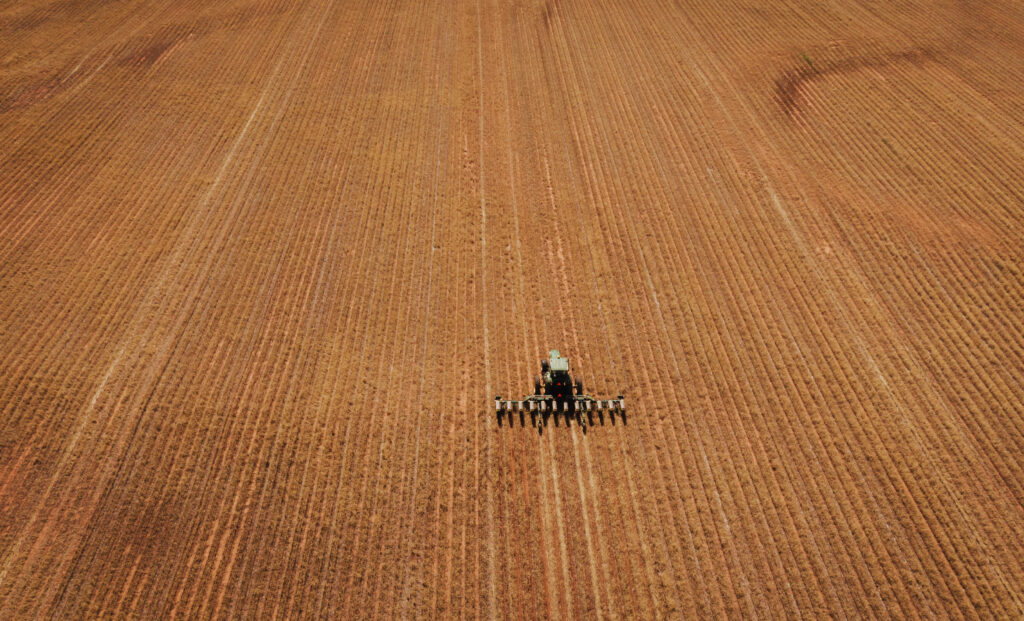
A practical look at how no till systems work, where they make sense, and what to consider before getting started.
No till farming is a straightforward system: plant your crop without turning over the soil.
Instead of disturbing the ground with traditional tillage, you leave crop residue in place and plant directly into it. It’s a method built on practicality, not theory — and more farmers are turning to it because it works.
At its core, no till planting is about protecting what you already have. Your soil structure, moisture, and nutrients stay where they belong. And when done right, it can help reduce input costs while improving long-term productivity.
For modern farmers, especially those managing tight margins and unpredictable weather, this setup isn’t just environmentally friendly farming — it’s a smart business decision that pays off season after season. In many operations, environmentally friendly farming practices like this also help protect long-term soil productivity without adding complexity.
The Real Benefits of No Till Farming
No till farming isn’t a trend. It’s a proven system that delivers measurable results in the field.
1. Better Soil Health Over Time
Organic matter builds naturally, microbial life improves, and soil structure becomes more stable over time.
That means better water infiltration, stronger root systems, and healthier crops season after season. Over time, many farmers notice their soil becoming easier to manage and more resilient during stress.
2. Moisture Retention That Matters
Residue left on the surface acts like a protective layer. It reduces evaporation, shields soil from heat, and helps retain moisture during dry periods.
In areas where rainfall isn’t guaranteed, this can make a real difference. Holding onto moisture can be the difference between an average crop and a strong one.
3. Reduced Labor and Fuel Costs
Fewer passes across the field mean less fuel burned, less wear on equipment, and more time saved during critical parts of the season.
No till planting simplifies your operation. It’s not about doing less — it’s about doing what works. Many farmers find they can cover more acres with less effort once they make the switch.
4. Erosion Control
Wind and water erosion can strip away your topsoil fast. No till systems help keep soil in place by anchoring residue on the surface, reducing runoff, and protecting overall soil structure.
That’s long-term protection you can’t afford to ignore.
5. Improved Field Trafficability
Fields managed under no till planting often hold together better under equipment. With improved soil structure, you can often get into fields sooner after rain, manage compaction more effectively, and run equipment more efficiently.
This can be a major advantage during tight planting or harvest windows.
Getting Started with No Till Planting
If you’re new to no till planting, the shift doesn’t have to be complicated. But it does require the right mindset — and the right setup.
Start with the Right Fields
Not every field transitions the same. Look for:
- Fields with good drainage
- Manageable residue levels
- Lower compaction issues
Starting where success is more likely builds confidence and experience.
Manage Residue Properly
Residue works in your favor when it’s spread evenly at harvest and not left in heavy clumps that interfere with planting.
Uneven residue can affect seed placement and emergence.
Adjust Planting Practices
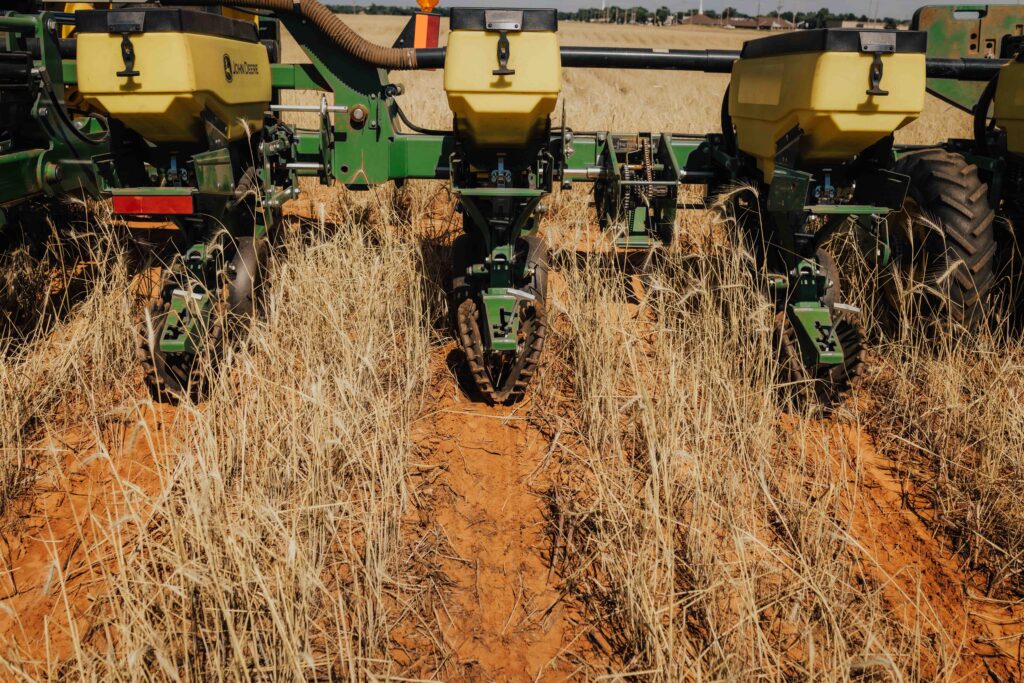
Pay close attention to seed depth, seed-to-soil contact, and how your row cleaners and closing systems are set up — these details matter more in a no till system.
Be Patient with the Transition
The first year may not show full results. Soil systems take time to adjust. Stick with it, track your results, and make small improvements each season.
Choosing the Right No Till Equipment
Your success in no till farming often comes down to the equipment you run. It doesn’t need to be complicated — but it does need to be dependable.
At 4AG Manufacturing, everything is built with one goal in mind: make no till systems simpler and more reliable for real-world conditions.
Key Equipment to Focus On
1. Gauge Wheels
Gauge wheels control planting depth. If they’re not doing their job:
- Seed depth becomes inconsistent
- Emergence suffers
- Yield potential drops
You want gauge wheels that hold up in real conditions, maintain consistent contact, and don’t require constant adjustment. Durable gauge wheels help ensure your planter performs the same across every acre.
2. Closing Wheels
Closing wheels finish the job by sealing the seed trench.
- Proper closure ensures good germination
- Poor closure leads to uneven stands
In no till systems, closing wheels matter even more because the soil hasn’t been worked ahead of time. If they’re not set up right, you’ll see it in your stand.
3. Interseeders
Interseeders add flexibility to your operation by allowing:
- Cover crop integration
- Improved soil biology
- Better long-term field performance
They’re especially useful for farmers focused on environmentally friendly farming practices that build soil year after year.
Common Challenges in No Till Farming (And How to Handle Them)
No system is perfect. But most challenges in no till farming come down to management, not the method itself.
1. Cooler Soil Temperatures
Residue can keep soils cooler in the spring.
Solution:
- Adjust planting timing
- Use row cleaners to expose soil where needed
2. Residue Buildup
Too much residue can interfere with planting.
Solution:
- Ensure even distribution at harvest
- Use equipment designed to handle heavy residue
3. Learning Curve
Switching systems takes time.
Solution:
- Start small
- Learn from each season
- Adjust as you go
4. Weed Management Changes
Without tillage, weed control shifts more toward planning.
Solution:
- Use crop rotation
- Apply herbicides strategically
- Consider cover crops as part of your system
No till farming rewards patience and consistency.
Why No Till Farming Supports Environmentally Friendly Farming
There’s a lot of talk about sustainability — but for farmers, it has to make sense in the field.
No till farming supports long-term soil health by reducing erosion, improving water retention, and lowering fuel use. It’s less about labels and more about keeping your ground productive year after year.
It’s not about checking a box — it’s about making your land more productive for the next generation. That’s the practical side of environmentally friendly farming — doing what works today while taking care of what comes next.
And the best part? These benefits often come with lower operating costs, not higher ones.
How No Till Farming Impacts Your Bottom Line
From a profitability standpoint, no till farming can reduce fuel and labor costs, limit equipment wear, and improve yield stability over time.
Many farmers also find that over time, their reliance on certain inputs decreases as soil health improves.
Practical Tips for Long-Term Success
If you’re serious about making no till farming work, keep it simple and stay consistent.
Focus on the Fundamentals
- Maintain your equipment
- Monitor soil conditions
- Pay attention to seed placement
Keep Learning
Every field is different. What works in one may need adjusting in another.
Invest in Reliable Equipment
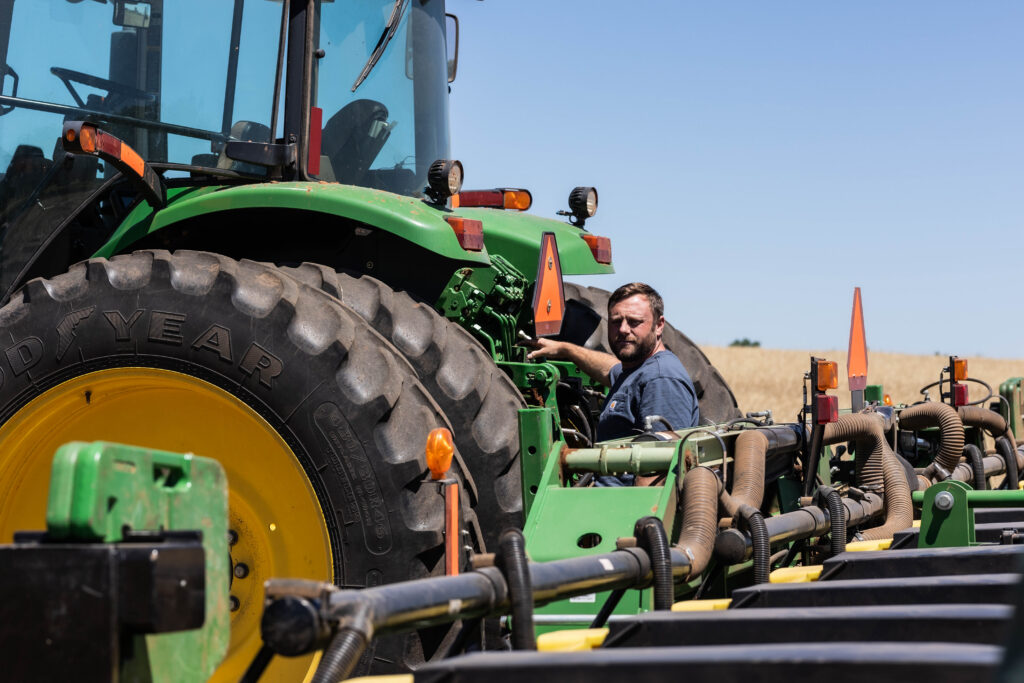
You don’t need more equipment — you need the right equipment. Tools that are durable, easy to install, and built for real field conditions will make a noticeable difference in how smoothly your operation runs day to day.
That’s the difference between frustration and efficiency.
Track Your Results
Keep records year over year:
- Yield performance
- Input costs
- Soil condition changes
This helps you make informed decisions and see the long-term value of your no till system.
Why Farmers Are Moving Toward No Till Equipment
Farmers aren’t switching to no till equipment because it sounds good. They’re doing it because it works.
Modern no till equipment is more efficient, easier to maintain, and built for real-world conditions where consistency matters. When equipment holds up and performs the way it should, it reduces frustration in the field and keeps operations moving without unnecessary slowdowns.
That’s the approach behind 4AG Manufacturing — keeping things simple, durable, and practical for everyday use.
Real-World Example: What No Till Farming Looks Like in Practice
For many farmers, the shift to a no till system starts with one field and a willingness to try something different.
Picture a typical setup: after harvest, residue is left evenly across the field. Instead of making multiple tillage passes, the farmer comes back in with a properly set-up planter equipped for no till planting. Gauge wheels maintain consistent depth, row cleaners manage residue, and closing wheels finish the job.
The first year may not look perfect — but over time, things start to change.
- Soil becomes easier to work with
- Water holds longer after rainfall
- Crops emerge more evenly
By year three or four, many farmers report stronger stands and fewer inputs needed to maintain them. That’s where the no till setup starts to show its long-term value.
It’s not about perfection — it’s about progress.
Final Thoughts: A Practical Path Forward
No till farming isn’t about changing everything overnight. It’s about making better decisions one step at a time.
For many farmers, that means improving soil health, reducing input costs, and simplifying how their operations run without adding unnecessary complexity.
You don’t need perfect conditions. You just need the right approach — and equipment that works as hard as you do.
Start Where You Are. Build What Works.
If you’ve been thinking about making the move to no till farming — or improving the setup you already have — you’re not alone. Many farmers are asking the same questions and working toward the same goal: better ground and a more efficient operation.
Take a look at what’s working, ask questions, and don’t be afraid to start small. And when you’re ready, the team at 4AG is here to help you find equipment that fits your operation — not complicates it.
Learn more about 4AG Manufacturing, explore our equipment, or get in touch with our team to find the right fit for your operation.