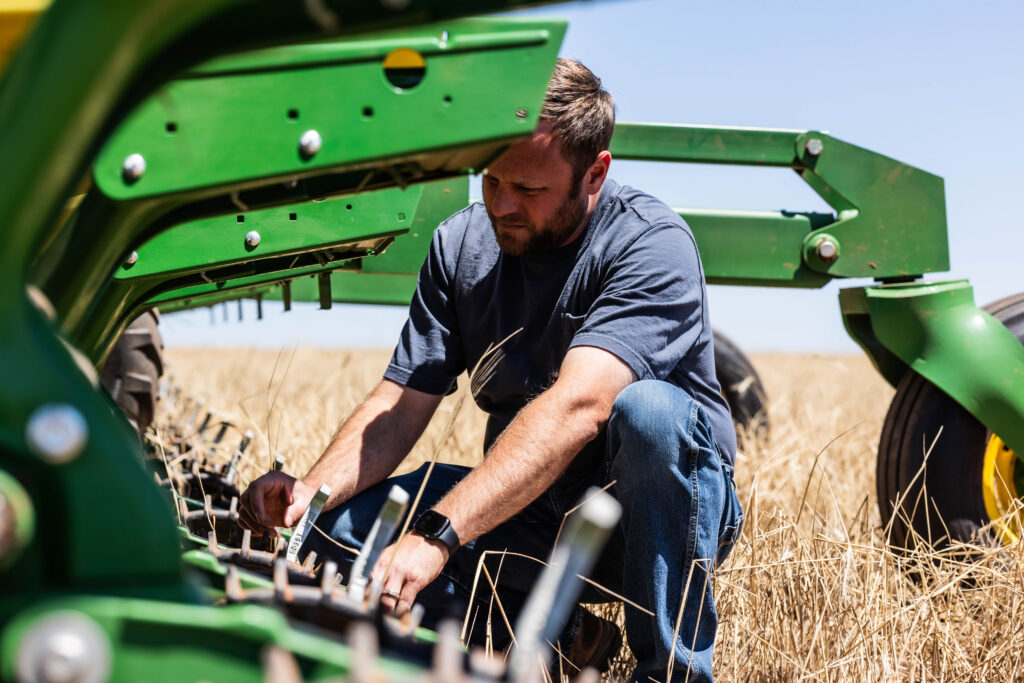
If you’ve spent any time researching no till farming equipment, you already know there’s no shortage of options. Planters, drills, row cleaners, closing wheels — it can get overwhelming fast. The truth is, you don’t need everything. You just need the right equipment that works in your conditions and holds up season after season.
No till farming is about efficiency, soil health, and reducing passes across the field. The equipment you choose should support that — not complicate it. Built right, it should save you time, reduce maintenance needs, and help you achieve a more consistent stand.
Let’s walk through what actually matters — and what doesn’t — when it comes to setting up your no till operation.
What Makes No-Till Farming Equipment Different?
No till isn’t just conventional farming without tillage. Programs like the NRCS have long supported no-till practices for their role in improving soil structure and long-term sustainability. It puts more responsibility on your equipment to handle residue, manage seed placement, and ensure proper soil contact.
That means your no till farming equipment needs to:
- Cut through heavy residue without plugging
- Maintain consistent seed depth across varying soil conditions
- Close the seed trench properly for good emergence
- Handle rocks, stubble, and uneven ground without wearing out quickly
If your setup can’t do those things reliably, you’ll see it in your stand — and ultimately your yield.
The Core Pieces of No Till Farming Equipment (Including No Till Planter, No Till Seed Drill, and Seeder Machine)
You don’t need a yard full of iron to run a successful no till system. Most operations come down to a few key components working together.
1. No Till Planter
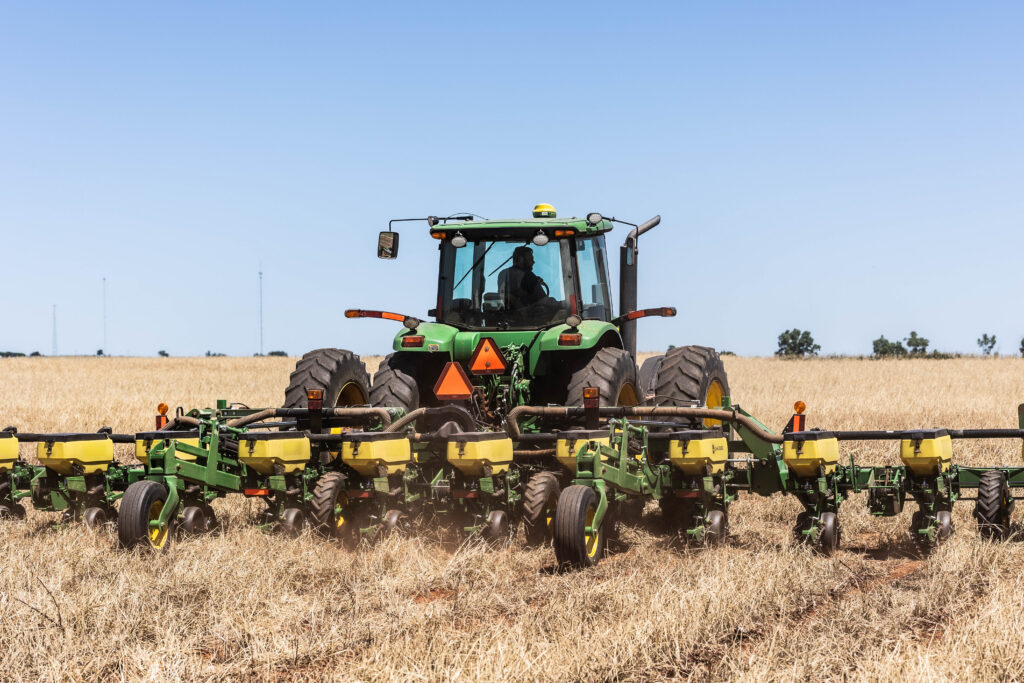
A no till planter is the backbone of most row crop operations. It’s designed to place seed directly into undisturbed soil while dealing with leftover residue from previous crops.
What matters most in a no till planter:
- Strong downforce capability
- Row units that maintain consistent depth
- Ability to handle heavy residue without plugging
But here’s the part that often gets overlooked: the planter itself is only as good as the components on it. Gauge wheels, closing wheels, and attachments make or break performance in no till conditions.
2. No Till Seed Drill and Seeder Machine
If you’re planting small grains, cover crops, or forage, a seeder machine, such as a no till seed drill, is the tool for the job.
Unlike a planter, a drill spreads seed across narrower rows and is built for:
- Even seed distribution
- Shallow, consistent placement
- Cover crop establishment
A good seeder machine should be simple to calibrate and tough enough to handle different field conditions without constant adjustment.
3. Row Cleaners (When Needed)
Row cleaners aren’t always necessary — but in heavy residue, they can help clear a path for your planter.
They work by:
- Moving residue off the row
- Allowing better seed-to-soil contact
- Reducing hairpinning issues
That said, more isn’t always better. Too aggressive, and you risk disturbing soil structure, which goes against the whole goal of no till.
4. Gauge Wheels: The Foundation of Consistency
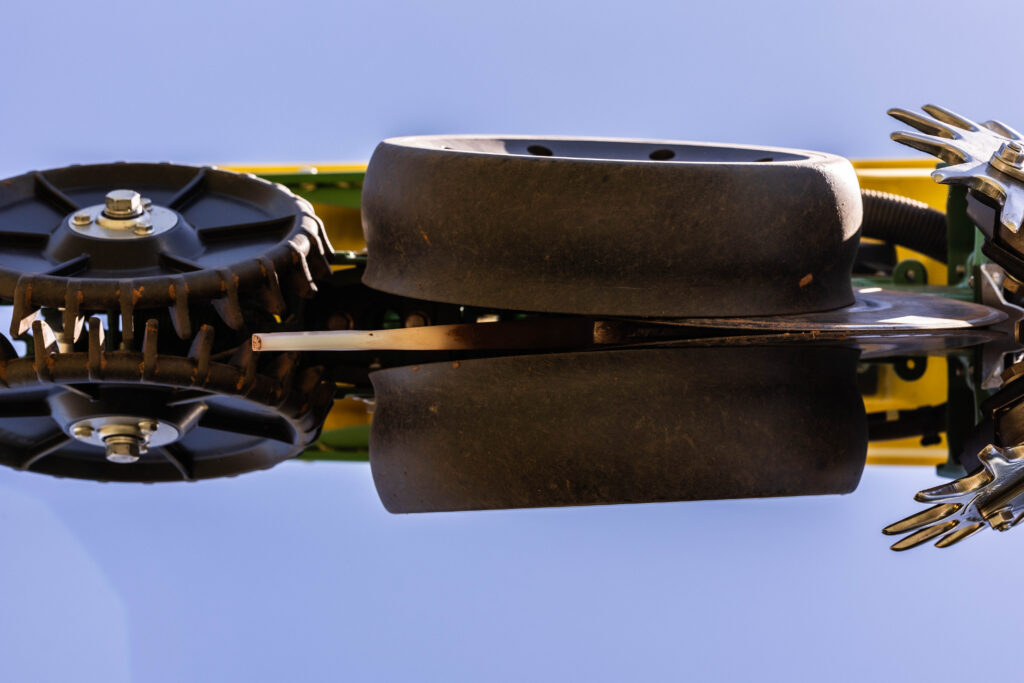
Gauge wheels don’t always get the attention they deserve, but they’re one of the most important parts of your planter setup.
They control seed depth. And in no till, that’s everything.
A solid set of gauge wheels should:
- Maintain consistent depth across rough ground
- Resist wear from rocks and residue
- Hold up over time without breaking down
If they’re not doing their job, nothing else in your system can compensate.
4AG’s approach is simple — build them tough, keep them simple, and make sure they last. That means less downtime and fewer replacements over time.
5. Closing Wheels: Finishing the Job
Once the seed is placed, closing wheels step in to seal the trench. This is where a lot of success, or failure, happens.
Good closing wheels should:
- Firmly close the seed trench without compacting
- Work in both wet and dry conditions
- Create consistent seed-to-soil contact
If the trench isn’t closed properly, you’ll see uneven emergence, which leads to inconsistent crop development.
What You Don’t Need (At Least Not Right Away)
It’s easy to get caught up thinking you need every attachment on the market. The reality is, many successful no till farmers run lean setups.
You don’t necessarily need every add-on available for your planter, overly complex systems that require constant adjustment, or equipment that is not built for your specific crops or soil.
Start with the essentials. Build from there as you learn what your fields actually need.
Choosing the Right No Till Farming Equipment for Your Operation
Every farm is different. Soil type, crop rotation, and rainfall — it all plays a role in what equipment works best.
Know Your Soil Conditions
Heavy clay, sandy ground, and rocky fields all require different approaches. Equipment that works great in one region may struggle in another.
Match Equipment to Crop Type
Corn, soybeans, wheat, and cover crops all have different planting needs. Make sure your no till planter or no till seed drill matches your crop strategy.
Prioritize Durability
No till puts more stress on equipment. Residue, moisture, and uneven terrain can wear down parts quickly.
That’s why durability matters.
At 4AG Manufacturing, the focus has always been simple: build equipment that lasts. No shortcuts. No unnecessary complexity. Just tools that work when you need them.
Keep It Simple
More moving parts mean more opportunities for breakdowns. The best setups are often the simplest ones.
How to Build a Practical No-Till Equipment Setup
If you’re starting from scratch — or looking to simplify — here’s a straightforward way to think about your setup:
Step 1: Start with your planter or drill. Choose a reliable no till planter or no till seed drill
Step 2: Upgrade key components. Focus on gauge wheels and closing wheels first
Step 3: Add only what you need. Consider row cleaners or attachments based on field conditions
Step 4: Test and adjust. No setup is perfect out of the gate. Field testing matters
Common Mistakes When Choosing No Till Farming Equipment
Even experienced operators run into issues when switching to or refining no till systems.
Common mistakes include overcomplicating the setup, ignoring wear parts, buying for looks instead of function, and failing to match equipment to actual field conditions.
Why Equipment Quality Matters More in No-Till
In conventional systems, tillage can help cover up inconsistencies. In no till, precision, durability, and consistency all matter more because your equipment is doing the full job without tillage to cover for weak spots.
If your equipment can’t handle the job, you’ll see it in your crop.
That’s why more farmers are focusing on upgrading components instead of replacing entire machines. It’s often the simplest way to improve performance without overhauling your whole operation.
When to Upgrade Your No Till Farming Equipment
Knowing when to upgrade is just as important as knowing what to buy.
You may need to upgrade your no till farming equipment if you’re seeing inconsistent emergence across fields, parts are wearing out faster than expected, you’re spending too much time making adjustments, or breakdowns are becoming more frequent.
In many cases, upgrading specific components — rather than replacing entire machines — can solve these problems quickly and affordably.
Final Thoughts: Keep It Simple, Keep It Working
If you’re trying to figure out what no till farming equipment you actually need, start with the basics and build from there. Focus on the pieces that improve consistency, reduce downtime, and make your operation easier to manage.
A solid no till setup usually comes down to a reliable planter or drill, dependable gauge wheels, strong closing wheels, and components that hold up in real field conditions. You do not need the most complicated setup. You need one that works every time you pull into the field.
If you are not sure where to start or what to upgrade first, that is okay. Most farmers figure it out the same way — by working with what they have, making adjustments, and paying attention to what holds up season after season.
If you’re looking for equipment that’s built with that same mindset — simple, durable, and tested in real conditions — take a closer look at what 4AG Manufacturing is building.
Learn more about 4AG Manufacturing, explore our equipment, or get in touch with our team to find the right fit for your operation.
Frequently Asked Questions About No Till Farming Equipment
What is the most important piece of no till farming equipment?
The most important piece of no till farming equipment is your planter or drill. A reliable no till planter or no till seed drill sets the foundation for proper seed placement. That said, components like gauge wheels and closing wheels are just as critical because they control depth and ensure the seed trench is properly closed.
Can you start no till farming without buying all new equipment?
Yes, many farmers transition to no till without replacing their entire setup. In most cases, upgrading key components — like gauge wheels and closing wheels — can significantly improve performance without the cost of a full equipment overhaul.
What’s the difference between a no till planter and a no till seed drill?
A no till planter is typically used for row crops like corn and soybeans, placing seeds at precise intervals. A no till seed drill, or seeder machine, is used for crops like wheat or cover crops and distributes seed more evenly across narrow rows.
Do you need row cleaners for no till farming?
Not always. Row cleaners can help in fields with heavy residue, but they aren’t required for every operation. The key is using them only when they improve seed-to-soil contact without disturbing too much soil.
How do I know if my no till farming equipment is set up correctly?
You’ll usually see it in your crop emergence. Even spacing, consistent growth, and strong early development are signs your equipment is working properly. If you notice uneven stands, it may be time to check depth control, closing action, or worn components.
How long should no till farming equipment last?
Durability depends on build quality and field conditions, but well-built components should last multiple seasons with proper maintenance. Investing in durable, farmer-tested equipment reduces downtime and long-term replacement costs.
Is no till farming worth the investment in equipment?
For many farmers, yes. No till farming can reduce fuel use, limit soil disturbance, and improve long-term soil health. The right equipment helps make that transition smoother and more consistent year after year.