Planting season leaves very little room for mistakes. Every pass across the field matters, and even small inconsistencies can affect seed placement, emergence, and ultimately yield. While many producers focus on row cleaners, seed meters, or closing wheels, one of the most important components on a planter often receives far less attention: no till planter gauge wheels.
These wheels do much more than support the planter. They play a critical role in maintaining consistent planting depth, keeping the planter stable as field conditions change, and ensuring seeds are placed exactly where they need to be. Whether you’re planting into heavy crop residue, working through uneven terrain, or managing challenging soil conditions, properly functioning cultivator gauge wheels help create the consistency every farmer is looking for.
At 4AG Manufacturing, we’ve spent years designing planter gauge wheels that stand up to real-world conditions. Built for durability and dependable performance, our products help farmers reduce downtime while improving planting accuracy throughout the season.
What Are No Till Planter Gauge Wheels?
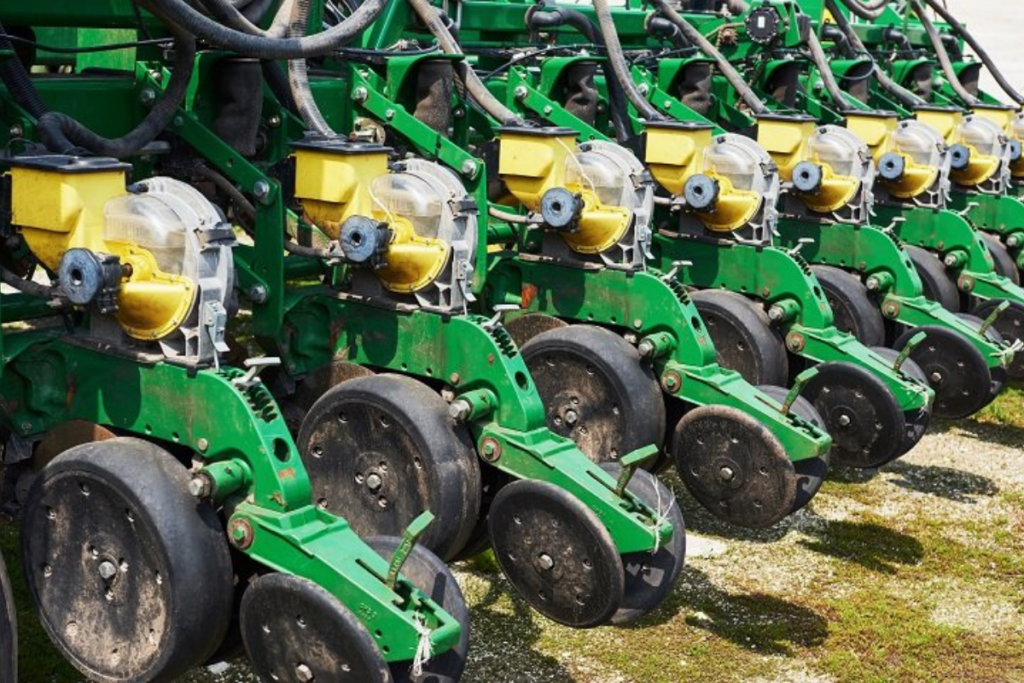
No till planter gauge wheels are mounted alongside the planter’s opener discs and work together to regulate planting depth. As the planter moves across the field, the wheels ride directly on the soil surface while the opener blades cut the seed trench beneath them.
This simple design allows the planter to follow the natural contour of the field instead of constantly rising and falling over uneven ground. The result is more consistent seed placement, which is one of the biggest contributors to even crop emergence.
Without properly functioning gauge wheels, planting depth can fluctuate from row to row or even within the same pass. Seeds planted too shallow may dry out before germinating, while seeds planted too deep often emerge later and compete poorly with neighboring plants. Consistency is the goal, and gauge wheels are one of the primary components that make that possible.
Why Planting Depth Matters
Every crop has an ideal planting depth. While recommendations vary depending on crop type, soil moisture, and field conditions, the objective remains the same: place every seed in an environment where it has the greatest chance to germinate quickly and uniformly.
Uniform emergence creates healthier stands because each plant begins developing at roughly the same pace. When some plants emerge several days behind others, they spend the rest of the growing season competing at a disadvantage.
Proper no till planter gauge wheels help maintain that consistency by allowing the planter to react smoothly to changes in terrain instead of allowing the row unit to bounce or ride unevenly.
Several factors influence planting depth during every pass through the field:
- Soil texture and moisture
- Residue levels after harvest
- Field elevation changes
- Planter speed
- Wear on planter components
Gauge wheels cannot eliminate every variable, but they significantly improve the planter’s ability to maintain consistent performance across changing conditions.
The Role of Cultivator Gauge Wheels in Modern Farming
Today’s farmers expect more from their equipment than ever before. Larger acreages, tighter planting windows, and unpredictable weather leave little opportunity for unnecessary downtime.
Cultivator gauge wheels contribute to planting efficiency by helping each row unit perform consistently across the field. Rather than allowing the opener discs to sink too deeply or ride too high, the wheels provide steady depth control while supporting smooth operation through varying soil conditions.
This becomes especially important in no-till systems where previous crop residue remains on the surface. Residue management, soil moisture retention, and reduced erosion are all major advantages of no-till farming, but these benefits also require planting equipment capable of handling more challenging field conditions.
Quality planter gauge wheels allow farmers to enjoy the benefits of conservation practices without sacrificing planting accuracy.
How Gauge Wheels Have Improved Over Time
Early planter systems often relied on basic rubber wheels that performed adequately but wore quickly under demanding conditions. As farming technology advanced, manufacturers began developing improved materials that offered longer service life and greater durability.
Today’s planter gauge wheels are designed to withstand thousands of acres of operation while resisting cracking, weather damage, and excessive wear. High-quality materials also help maintain proper contact with the opener blades, reducing the opportunity for residue buildup and helping maintain smooth operation throughout the planting season.
Modern designs focus on durability without adding unnecessary complexity. Farmers need equipment that works day after day with minimal maintenance, and quality gauge wheels deliver exactly that.
Why Quality Matters
It can be tempting to view gauge wheels as just another replacement part, but their performance directly impacts planting success. Lower-quality wheels often wear unevenly, develop gaps around the opener blades, or require replacement far sooner than expected.
Investing in durable components provides benefits that extend well beyond the purchase price. Reliable planter gauge wheels help reduce maintenance interruptions, improve consistency in the field, and provide confidence during one of the busiest times of the year.
A dependable planter should allow operators to focus on planting instead of worrying about worn components or inconsistent performance. Quality gauge wheels are a small investment that supports the overall effectiveness of the entire planting system.
Choosing the Right No Till Planter Gauge Wheels
Not every field places the same demands on a planter. Soil type, residue levels, moisture, terrain, and planting speed all affect how gauge wheels perform. That is why choosing the right no till planter gauge wheels should be based on the conditions your equipment handles most often rather than simply selecting the least expensive replacement.
Farmers working in heavy residue need wheels that maintain steady contact with the soil while resisting buildup around the opener discs. Operations with rough or uneven ground need durable wheels that can absorb repeated stress without wearing down too quickly. In every case, the goal is the same: maintain accurate depth and keep the row unit running smoothly across the entire field.
Before replacing gauge wheels, it helps to consider a few practical questions:
- Are the current wheels maintaining proper contact with the opener discs?
- Is the planter holding a consistent depth across changing field conditions?
- Are cracks, wear, or gaps beginning to affect performance?
- Will the replacement wheels hold up for more than one planting season?
These questions help farmers evaluate both immediate performance and long-term value.
Rubber Versus Polyurethane Planter Gauge Wheels
Rubber has traditionally been one of the most common materials used for planter gauge wheels. It offers flexibility and can conform well to changing soil surfaces, which is one reason it has remained popular for so long. However, rubber may wear faster when exposed to harsh sunlight, heavy residue, rocks, and long operating hours.
Polyurethane planter gauge wheels are often chosen for their durability and resistance to cracking, weather damage, and premature wear. In demanding no-till conditions, that longer service life can reduce how often wheels need to be replaced. Fewer replacements also mean less downtime during busy seasons and lower long-term maintenance costs.
The best option depends on the operation. Rubber may still perform well in certain conditions, while polyurethane may provide greater value where durability is the main concern. Farmers should look beyond the initial purchase price and consider how many acres the wheels are expected to cover, how often they will be exposed to residue, and how quickly the current set has worn in past seasons.
Common Gauge Wheel Problems to Watch For
Gauge wheel wear often develops gradually, making it easy to overlook until planting performance begins to suffer. A wheel may still turn and appear usable while no longer maintaining the contact or stability the row unit needs.
One common sign of trouble is a visible gap between the gauge wheel and opener disc. When that contact is lost, residue and soil can collect between the components, affecting how smoothly the planter runs. Uneven wheel wear, cracks, looseness, and worn bearings can also cause the row unit to bounce or operate at inconsistent depths.
Planters should be inspected before the season begins and checked regularly while planting. Catching a worn component early is much easier than discovering the problem after acres have already been planted at inconsistent depths.
Maintaining Cultivator Gauge Wheels for Better Performance
Routine maintenance helps cultivator gauge wheels last longer and perform more consistently. Cleaning away soil and residue after use makes it easier to identify cracks, worn edges, or loose hardware. Bearings and mounting points should also be inspected for movement that could affect alignment.
Adjustments matter just as much as condition. Even a durable wheel will not perform correctly if it is mounted too tightly, too loosely, or too far from the opener disc. Each row should be checked so the wheels move freely while maintaining the proper relationship with the disc.
Farmers should also pay attention to changes during the season. Wet fields, dry soil, and heavy residue can all affect planter performance. A quick inspection after field conditions change may reveal problems before they become costly.
How Better Gauge Wheels Improve the Entire Planter
No till planter gauge wheels do not work alone. Their performance affects opener discs, row units, closing wheels, and ultimately seed placement. When the gauge wheels maintain proper depth and stability, the rest of the planter can do its job more effectively.
That consistency supports cleaner seed trenches, more uniform placement, and better seed-to-soil contact. It also reduces unnecessary stress on other components, which may help extend the life of the planter as a whole.
For farmers covering large acreages, dependable planter gauge wheels provide more than convenience. They support a more predictable planting process, fewer interruptions, and stronger confidence that each row is being planted under consistent conditions.
Ready to Upgrade Your No Till Planter Gauge Wheels?
Every acre you plant depends on consistent seed placement, reliable equipment, and components you can trust. High-quality no till planter gauge wheels help maintain accurate planting depth, reduce downtime, and improve overall planter performance season after season.
At 4AG Manufacturing, we build durable cultivator gauge wheels and planter gauge wheels designed for the real-world conditions farmers face every day. Whether you’re replacing worn components or upgrading your planter for better performance, our products are built to deliver the reliability and longevity your operation demands.
Browse our selection of planter gauge wheels, find a dealer near you, or contact the 4AG team today to learn how our American-made solutions can help you plant with greater confidence and efficiency this season.