
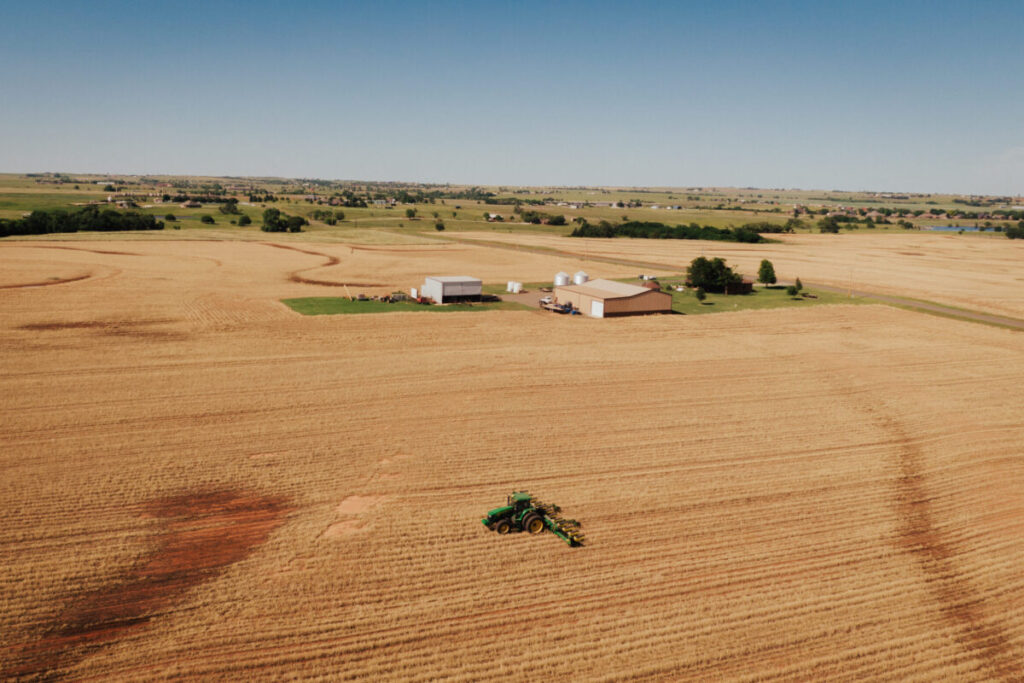
Oklahoma agriculture has long been the backbone of the state’s economy, communities, and way of life. From wheat fields stretching across western Oklahoma to row crops, cattle operations, and diversified farms throughout the state, agriculture continues to shape both the land and the people who work it. Yet every Oklahoma farmer understands that farming here comes with unique challenges. Weather patterns can change overnight, soil conditions vary dramatically from one county to the next, and every season brings new decisions that affect productivity and profitability.
Success in Oklahoma agriculture is rarely about finding one perfect solution. Instead, it comes from consistently making smart decisions, investing in reliable equipment, protecting soil health, and adapting to changing conditions. The most successful operations are built over time through careful planning, practical experience, and equipment that performs when it’s needed most.
At 4AG Manufacturing, we understand those challenges because we experience them ourselves. Our products are designed by farmers who know firsthand what it takes to work Oklahoma ground. Whether you’re planting wheat, raising cattle, growing row crops, or managing a diversified operation, these practical farming tips can help strengthen your operation for years to come.
Why Oklahoma Agriculture Is Unlike Anywhere Else
Every farming region has its own set of challenges, but Oklahoma presents a particularly unique combination of weather, soil types, and production systems.
Within a few hours of driving across the state, you can move from sandy soils to heavy clay, from rolling pastureland to irrigated cropland, and from high rainfall areas in the east to semi-arid conditions in the Panhandle. This diversity makes Oklahoma agriculture incredibly productive, but it also means no single farming approach works everywhere.
Oklahoma farmers often manage multiple enterprises, including wheat production, cattle operations, hay production, cotton, sorghum, soybeans, corn, and cover crops. Each requires different management strategies, equipment, and timing throughout the year.
Flexibility has become one of the greatest strengths of the Oklahoma farmer. The ability to adapt to changing weather, market conditions, and field conditions often separates successful operations from struggling ones.
Healthy Soil Is the Foundation of Every Successful Farm
No matter what you grow, healthy soil remains your greatest long-term asset.
Soil provides far more than just a place for crops to grow. It stores nutrients, manages water, supports beneficial microorganisms, and creates the environment needed for healthy root development. Every management decision either improves or degrades that resource.
Many Oklahoma farmers have shifted toward conservation practices because they recognize that protecting the soil today creates stronger yields tomorrow. Building organic matter, reducing erosion, minimizing compaction, and encouraging biological activity all contribute to healthier fields over time.
Simple improvements can make a significant difference, including:
- Reducing unnecessary tillage whenever possible
- Planting cover crops to improve soil structure
- Rotating crops to diversify root systems
- Managing residue to reduce erosion and conserve moisture
Healthy soil rarely happens overnight. It develops through consistent management over many growing seasons.
Weather Is One Variable You Can’t Control
If there’s one thing every Oklahoma farmer understands, it’s that weather doesn’t always cooperate.
One year may bring abundant rainfall, while the next may test your operation with drought. High winds, hailstorms, late freezes, and extreme heat are all common parts of farming in Oklahoma.
Although weather cannot be controlled, preparation can reduce its impact.
Building healthy soil increases water infiltration during heavy rains while helping retain moisture during dry periods. Maintaining equipment before planting season reduces the risk of costly breakdowns when weather windows are short. Planning for multiple scenarios allows farmers to adjust quickly when conditions change.
Successful Oklahoma agriculture often depends less on predicting the weather and more on preparing for whatever arrives.
Invest in Equipment That Works as Hard as You Do
Every hour of downtime during planting or harvest matters.
When equipment fails during critical field windows, the cost extends beyond repair bills. Delays can affect planting dates, crop emergence, yields, labor schedules, and overall profitability.
That is why equipment quality matters.
Rather than replacing entire machines, many Oklahoma farmers improve performance by upgrading key wear components that directly affect planting accuracy and durability.
At 4AG Manufacturing, we focus on products that solve everyday farming problems, including planter gauge wheels, closing wheels, interseeders, and practical ranch equipment.
Our products are designed with one goal in mind: helping farmers spend more time working and less time repairing.
Precision Begins at Planting
The planting season often determines the success of the entire crop.
Uniform emergence depends on consistent seed depth, proper seed-to-soil contact, and accurate spacing. Even small inconsistencies during planting can affect stand establishment and final yields.
Many producers spend considerable time calibrating planters, adjusting row units, and monitoring seed placement because they understand how much those details matter.
Consistent planting requires more than advanced technology. It also requires maintaining equipment throughout the season.
Inspecting wear parts before heading to the field can help prevent unnecessary downtime while improving planting accuracy across every acre.
Water Management Continues to Grow in Importance
Moisture management has become one of the most important topics in Oklahoma agriculture.
Even in years with above-average rainfall, effective water management remains critical because intense storms often produce runoff rather than deep soil infiltration.
Healthy soils absorb water more efficiently, allowing crops to benefit from rainfall long after storms have passed.
Farmers can improve water management by focusing on several practical strategies:
- Maintaining crop residue on the soil surface
- Reducing compaction from unnecessary traffic
- Improving organic matter levels
- Selecting appropriate crop rotations
These practices not only improve moisture availability but also help reduce erosion during Oklahoma’s frequent wind and rain events.
Learn From Every Season
No two growing seasons are identical.
Each year provides valuable lessons about equipment performance, crop selection, planting dates, weed control, fertility management, and weather response.
Many experienced Oklahoma farmers keep detailed records that help identify long-term trends rather than reacting to a single season.
Tracking information such as planting dates, rainfall, fertilizer applications, yields, equipment repairs, and field observations creates valuable data that supports better decisions in future years.
The best operations rarely stop learning.
They adjust.
They improve.
They build on experience.
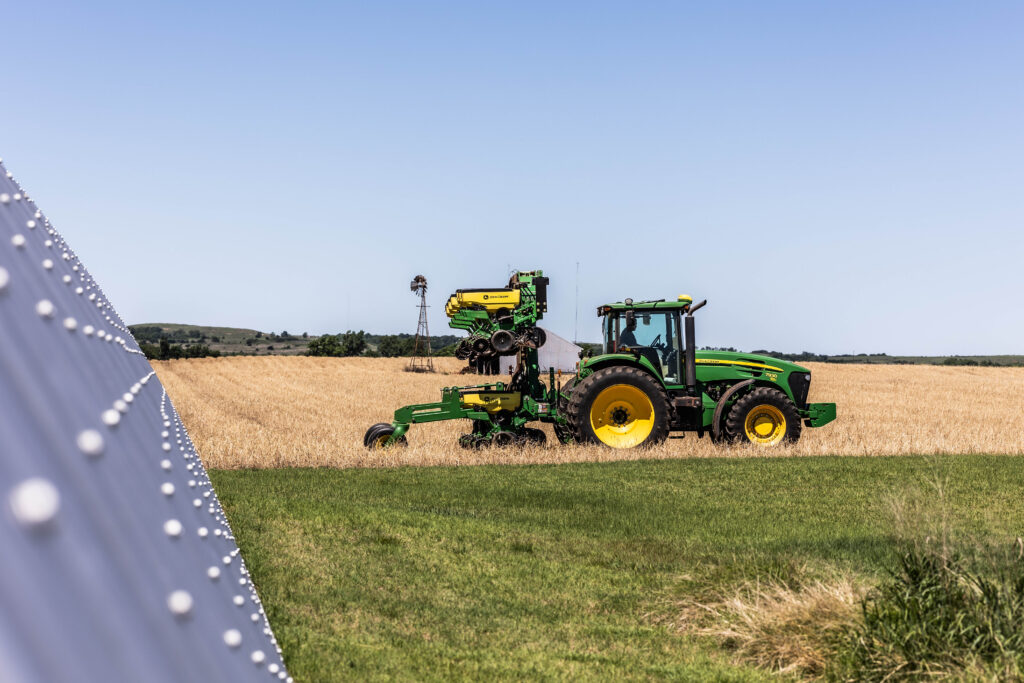
Diversification Creates Stability
Many successful Oklahoma farming operations rely on multiple income sources rather than depending entirely on one crop.
Diversification may include cattle alongside wheat production, hay production with row crops, custom farming services, or cover crop grazing opportunities.
Diversified operations often provide greater flexibility when commodity prices fluctuate or weather affects one portion of the business.
While diversification requires additional planning, it can strengthen financial stability over time and help reduce overall operational risk.
Maintenance Is an Investment, Not an Expense
Equipment maintenance often competes with other priorities during busy seasons, but postponing maintenance frequently creates larger problems later.
Routine inspections help identify worn components before they fail during critical field operations.
Items worth checking regularly include:
- Bearings and bushings
- Planter gauge wheels
- Closing wheels
- Hydraulic hoses
- Tires and wheel assemblies
- Chains, sprockets, and drive systems
Replacing relatively inexpensive components before failure can prevent costly downtime when every hour counts.
Technology Should Support Good Farming Practices
Modern technology continues to transform Oklahoma agriculture.
GPS guidance, variable-rate applications, yield mapping, automated steering, and precision planting systems all provide valuable tools for today’s producer.
However, technology works best when paired with sound agronomic practices.
Precision equipment cannot overcome poor soil health or neglected maintenance.
Instead, technology should enhance the decisions already being made by experienced farmers.
Combining practical field knowledge with modern equipment often produces the best long-term results.
Farming Is About Stewardship
Every Oklahoma farmer understands that farming extends beyond the current season.
The land being managed today will hopefully continue producing crops for future generations.
Stewardship involves balancing productivity with conservation.
Protecting soil, improving water quality, maintaining equipment, reducing waste, and investing in durable products all contribute to building a stronger operation over time.
At 4AG Manufacturing, we share that same philosophy.
Our goal isn’t simply to build products.
It’s to build solutions that help farmers protect both their investment and their land.
Supporting Oklahoma Agriculture Through Practical Innovation
Since our founding in Elk City, Oklahoma, we’ve built equipment with one purpose: solving real problems faced by real farmers.
We don’t design products in a boardroom far removed from the field.
We design products based on firsthand experience working Oklahoma farms.
Whether it’s improving planting performance with durable planter components, helping producers adopt better no-till practices, or creating practical ranch solutions, every product reflects our commitment to Oklahoma agriculture.
We know every farm is different.
Every field presents unique challenges.
But dependable equipment and practical solutions make every operation stronger.
Looking Ahead for the Next Generation
Agriculture continues to evolve, but its foundation remains the same.
Healthy soil.
Reliable equipment.
Hard work.
Thoughtful planning.
Every Oklahoma farmer contributes to feeding families, supporting rural communities, and preserving a way of life that has defined this state for generations.
The decisions made today will shape the farms of tomorrow.
By investing in durable equipment, protecting natural resources, and continually improving management practices, today’s producers are building operations that can remain successful for decades to come.
Ready to Strengthen Your Farming Operation?
Whether you’re upgrading planter components, improving your no-till system, or looking for durable equipment built to handle Oklahoma conditions, 4AG Manufacturing is here to help. Our products are designed by farmers who understand the demands of Oklahoma agriculture and are committed to building dependable solutions that reduce downtime and improve field performance.
Explore our full line of agricultural products, find a dealer near you, or contact our team to learn how 4AG can support your operation.
Less downtime. More done.
Built by farmers, for farmers.
This article was generated with the assistance of artificial intelligence (AI). While reviewed for accuracy and clarity by 4Ag, it should be considered general information. We still recommend contacting the 4Ag team for personalized advice.